
Nutritional supplements are a part of my personal wellness routine, helping to fill in those gaps that pop up even when I make an effort to eat a balanced diet. The supplement market has ballooned over recent years, with choices ranging from multivitamins to specialty powders targeting nearly every goal under the sun. While supplements can give a boost to your daily health plan, it’s super important to know what you’re getting before stacking your cabinet with bottles and powders.
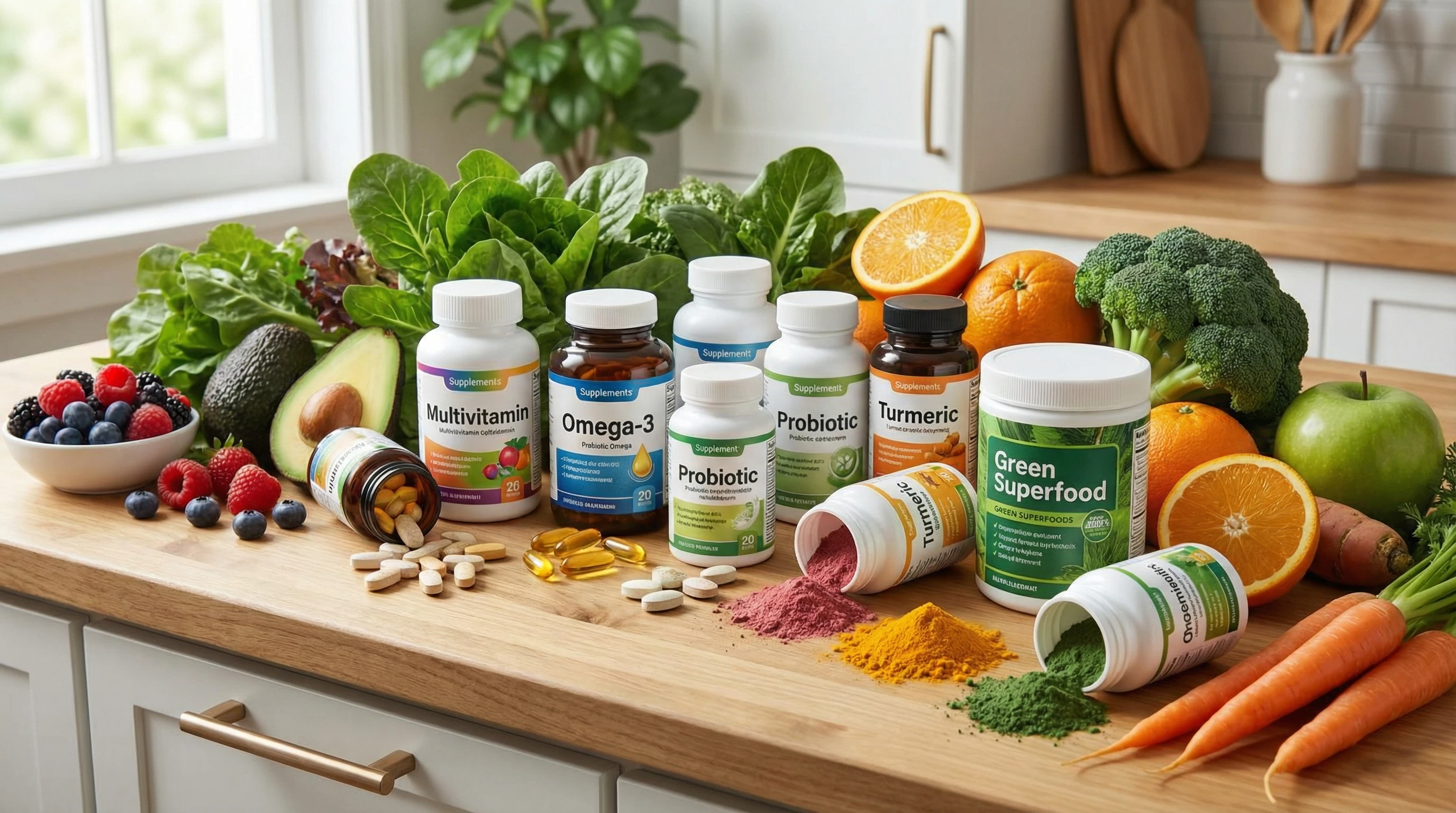
What Supplements Are and Why People Use Them
Supplements can include vitamins, minerals, herbs, amino acids, enzymes, and much more—pretty much anything you might take as a capsule, tablet, powder, or even a gummy, meant to support your body. Usually, the goal is to support nutrition when your regular diet falls short, like getting enough vitamin D if you’re out of the sun a lot or topping up on iron when you’re running low.
The supplement industry has exploded over the past decade, and sales worldwide just keep growing. Plenty of people use supplements hoping for perks like higher energy, better focus, or a stronger immune system. The science behind some supplements—think vitamin D, omega3s, and probiotics—holds up pretty well. That said, lots of products on the market are less proven and may only make a difference for certain people.
From what I’ve seen and tried, sometimes a supplement bridges a nutritional gap. But I’d always suggest seeing supplements as an add-on, not your main plan. Good food, exercise, and sleep should still be the first priority.
Getting Started with Supplements Safely
Before starting any supplement, it pays to check in on some basics:
- Read the Label: Every bottle will have a list of ingredients, suggested dosages, and some fine print. Look for third-party testing marks, certifications, and expiry dates.
- Check Your Actual Needs: Having a chat with a doctor or registered dietitian is smart before adding new supplements. They can suggest blood tests or listen to symptoms to guide you to the right choices for your body.
- Start Simple: It’s easier to manage a basic multivitamin or a single supplement meant for a known deficiency than a complicated mix of several products.
- Avoid Mix and Match Overload: Some supplements, like certain minerals or herbal blends, can interact with each other or with your meds. Sticking with the basics helps cut down on those risks.
For example, once I tried tossing multiple new products into my routine at the same time—big mistake. I ended up feeling off. Pulling back helped, and now I add one new supplement at a time. That way I can spot what’s working and what isn’t.
Beginner’s Guide to Choosing Supplements
Picking the right supplement comes down to knowing your goals and seeing past the hype. Here are a few steps that worked for me and may help others too:
- Identify Your Goal: Are you looking to boost energy, improve sleep, tamp down stress, or fix a nutritional gap?
- Research Options: Turn to credible sources like the NIH Office of Dietary Supplements or Academy of Nutrition and Dietetics. Third-party testing—by groups like NSF or USP—usually means better quality and purity.
- Stick With the Basics: Options like multivitamins, vitamin D, omega3s, and magnesium are solid places to start, if you truly need them. Jumping right to specialty blends or herbal formulas tends to offer less proven benefit.
- Use the Directions: More is not better. Stick to the recommended amounts. Doubling up won’t speed your results.
- Keep Track: Journaling your energy, mood, or any areas you want to step up can help you see if a supplement is really making a difference.
Careful research helps you make smart, informed choices and cuts down the risk of wasting money or doing harm with products you don’t actually need.
Factors to Consider Before Taking Supplements
Supplements are easy to find but can become complicated quickly. Here’s what’s worth watching for:
- Quality Control: These products aren’t regulated the same way as prescription medications. In the US, products can be sold without proving safety or effectiveness first. That’s why looking for third-party seals and checking reviews is vital.
- Bioavailability: Some forms of a nutrient get absorbed better than others. For example, magnesium glycinate gets processed by the body better than magnesium oxide. A bit of research can save you both money and effort.
- Interactions: Some nutrients—like calcium and iron—can compete for absorption if taken at the same time. Others may interact with medicines.
- Food Comes First: It matters to say that while nutritional supplements are beneficial, they aren’t substitutes for real, whole foods. Nutrients from actual food absorb the best, and supplements fill the gaps, not your meal.
Quality Control
I go for products that are third-party tested. While that can’t guarantee perfection, it does help weed out options that may be low quality or loaded with unwanted extras.
Bioavailability
The way a supplement is processed and absorbed matters. Lots of marketing ignores this, so looking at reviews, going to trusted health sites, or talking with a pro helps you snag the most effective product for your needs.
Interactions
Mixing several products, or combining supplements with medication, can cause unwanted effects. If you’re on prescriptions or juggling several supplements, check in with your doctor or a pharmacist just to be safe.
Advanced Supplement Tips and Tricks
Once you’ve got the basics down, here are tricks I use to keep my routine working for me:
Rotate and Rest: Periodically taking a break from nonessential supplements lets your body reset. I do this every couple of weeks, especially with herbal mixtures or superfood powders.
Use Apps and Journals: Tracking apps help me spot patterns in mood, energy, or digestion when trialing new products. They make it easier to see true changes over time.
Stay Informed: Research on supplements changes fast. I make a point to stay updated with fresh studies from trusted health organizations.
Make It a Routine: Taking supplements at the same time every day streamlines things and ensures I don’t miss a dose. My pillbox lives next to the coffee maker for convenience.
Common Types of Supplements and How They’re Used
Certain supplements pop up everywhere due to their popularity and usefulness. Here’s a quick breakdown:
- Multivitamins: Useful for plugging general nutrition holes, especially if you have dietary restrictions or your eating habits change a lot.
- Vitamin D: Essential for people with little sun exposure, those in northern places, or folks who use sunscreen religiously.
- Omega3s: Extracted from fish oil or algae, these healthy fats help with heart and brain function.
- Magnesium: Supports sleep, mood, and muscle function—useful if you train a lot or get muscle cramps.
- Probiotics: Live bacteria strains that promote gut health, especially helpful after antibiotics or stomach issues.
Everyone’s needs are different, so what works for me might not be your perfect fit. Diet, genetics, lifestyle, and personal goals all play a big part.
Frequently Asked Questions
Sifting through supplement choices always brings up questions. Here are a handful that I hear the most, with some real-world advice from my own experience:
Can supplements fix a bad diet?
Answer: Nope. They can fill gaps, but they won’t make up for missing out on whole foods, veggies, or protein. Always start with good food.
How quickly will I feel a difference?
Answer: For most products, it may take several weeks before you notice any effects, if you do at all. Tracking your goals often helps spot subtle changes.
Is online supplement shopping safe?
Answer: It’s fine to buy online when you use reputable sites and brands. Look for thirdparty seals and reliable reviews before you click buy.
Who should skip certain supplements?
Answer: Pregnant people, anyone taking prescription medicine, and those with chronic conditions should always check with a doctor before trying something new.
Ready to Try Supplements? Final Thoughts
Supplements can be helpful when used wisely. Just be sure to read labels, go with trusted brands, and talk to your healthcare team if you’re unsure. Remember, supplements work best alongside good food, regular movement, and steady routines that help you feel your best. Put in a bit of effort upfront, and your supplement routine will support your health, instead of making things trickier.
In my opinion, supplements can be a helpful addition to a wellness routine, but only when they’re used thoughtfully and with realistic expectations. They work best as a support system, filling nutritional gaps rather than replacing good food, healthy habits, or medical advice. With so much marketing hype in the supplement world, taking time to research, starting slowly, and focusing on quality makes all the difference between supplements being genuinely beneficial or just an expensive trend.