Staying hydrated is a pretty basic part of taking care of your body, but figuring out exactly how much water you need is a topic that sparks tons of questions. Some say you need to drink a gallon a day, while others swear by just letting your thirst guide you. With advice all over the place, it can feel a little confusing to know what’s best for your daily routine. So, I’m going to break down what you really need to know about hydration, how much water fits a typical day, and a few things that might surprise you about your body’s relationship with water.
Why Hydration Matters
Water is the main ingredient in your body; around 60% of you is made up of it. It helps keep your temperature steady, moves nutrients around, protects joints, and gets rid of waste. Even being a little dehydrated can make you feel tired, give you headaches, or mess with your focus. I always notice that when I haven’t had enough water, everything feels a little harder, and just grabbing a glass can make a world of difference.
Hydration isn’t just a summer topic either. Even sitting inside with the heat on, working at your desk, you lose water through your breath, sweat, and trips to the bathroom. It’s not just about drinking water after a workout; hydration is an ongoing need, every single day.
How Much Water Do You Really Need?
The classic advice is to drink about 64 ounces (about 8 cups) of water a day. This number comes from a mix of research and tradition, and for most healthy adults in a normal environment, it’s a solid place to start. If you’re active, live somewhere hot, or have certain health conditions (like kidney stones or UTIs), your needs might be a bit higher. Most people drinking 64 ounces daily will manage just fine, but there’s wiggle room based on personal factors.
If you’re exercising or outside in warm weather, you’ll lose more water through sweat, which means your intake needs to go up. When I hike on a hot day or hit the treadmill, I notice I need to drink extra to feel steady and avoid that brain-foggy feeling that comes with dehydration. A rough guideline: add about 1.5 to 2.5 cups (12-20 ounces) of water for each hour of moderate activity, especially if you’re sweating heavily.
- Average Adult (living in a temperate climate): Around 64 ounces a day
- Physically active, hot climates: Up to 100 ounces or more, depending on activity and sweat loss
- Special conditions (pregnancy, illness): You’ll probably need more; your doctor can help figure out what’s right for you
It’s pretty handy to remember: your body size, environment, and habits all move the needle on daily water needs.
Common Myths About Drinking Water
There are plenty of stories going around about water that don’t really hold up. Here are a few I hear a lot:
- Myth 1: You need exactly eight glasses a day, no matter what. The amount you need varies. Some days, you might only need six; on others, especially if you’re sweating or it’s hot, you’ll need much more.
- Myth 2: Only water counts toward your quota. Drinks like milk, tea, or coffee do hydrate you. Fruits and veggies, like cucumbers, oranges, and watermelon, are also mostly water and can help keep your levels up.
- Myth 3: If you’re thirsty, you’re already dangerously dehydrated. Thirst is your body’s early warning signal that you should drink soon, not a sign you’re in deep trouble. Unless you’re an athlete or elderly (these folks might not feel thirsty soon enough), your body’s thirst cues stay pretty reliable.
- Myth 4: The more water you drink, the healthier you’ll be. Too much of a good thing isn’t always good. Drinking way more than your kidneys can handle can dilute electrolytes in your blood, and in extreme cases, lead to a dangerous condition called hyponatremia.
Practical Tips for Getting Enough (But Not Too Much)
Finding the sweet spot for hydration takes a little trial and error. Here’s what I do, and what’s worked for a lot of people I know:
- Carry a water bottle. Having water with me is the best reminder to actually drink it. I usually fill up a reusable bottle at the start of the day and aim to finish it by lunchtime, then refill for the afternoon.
- Listen to your body. Thirst, dry mouth, or dark yellow pee are clues you should drink more. Clear or pale yellow urine usually means you’re in a good spot. I check in on this usually in the afternoon, when I’m most likely to get behind.
- Set reminders if you’re forgetful. Phone alarms, sticky notes, or hydration tracking apps all help; whatever keeps water top of mind.
- Pace yourself, don’t chug. Drinking a ton all at once isn’t the best plan. Spread your water intake throughout the day. This tends to keep headaches and crankiness away for me, and it avoids unnecessary trips to the bathroom in the middle of the night.
In addition to these tips, eating foods rich in water and observing how your body responds to changes in weather or activity can help you build a routine that feels effortless. Some people enjoy setting small goals, like finishing a bottle by mid-morning or having a glass before each meal to make sure they stay on track.
What Happens When You Don’t Get Enough Water?
Missing your water target can happen to anyone. Maybe a busy day throws you off or you’re traveling. When this happens, you might notice some signs right away, like:
- Dry mouth and lips
- Headaches
- Tiredness
- Difficulty focusing or lightheadedness
- Dark yellow urine
Long-term, if you’re rarely hydrated, you’ll probably feel more sluggish and might even get sick more easily, since water helps keep your body’s systems running smoothly. Ongoing dehydration places extra strain on your kidneys and may impact your skin, digestion, and even mental clarity. Over time, this can increase your risk for urinary tract infections, kidney stones, and constipation.
Too Much of a Good Thing: Water Overload
Most people worry about dehydration and forget you actually can overdo it with water. Drinking so much water in a short time that your kidneys can’t get rid of it fast enough dilutes your sodium levels. This can cause headaches, confusion, nausea, or more severe issues. There are cases each year, especially in marathon runners or people doing water drinking contests, where it turns into a serious medical emergency.
The solution isn’t to fear water, but to listen to what your body needs. Don’t push yourself to drink gallons a day unless a doctor tells you to, and stick to natural cues like thirst and urine color. If in doubt or if you have health conditions impacting your fluid needs, always check in with a healthcare provider for personalized advice.
Everyday Factors That Change Your Hydration Needs
Your water needs might go up or down depending on regular things, like:
- Exercise: Sweat more? Drink more, it’s that simple.
- Hot or humid weather: Makes you sweat even at rest, which means your water requirements go up.
- Dry indoor heat: When the heat’s blasting in winter, I notice I get thirsty faster and my skin dries out, another sign to up my water intake.
- Illness: Fevers, vomiting, diarrhea, or anything that makes you lose more body fluids means you should drink more.
- Certain medications: Some medicines, like diuretics, mean you’ll need to be more aware of water intake. Double-check with your doctor or pharmacist about what’s best for you.
- Diet: High-sodium or high-protein diets can push your body’s water needs up since your kidneys need to process and flush out those extra solutes. If you switch up your eating habits, pay attention to thirst.
- Altitude: Living or traveling at high altitudes (like in the mountains) can increase water loss through respiration, so you’ll want to drink more than usual.
Frequently Asked Hydration Questions
Here are a few things that come up a lot:
Question: Can you really get enough water from food?
Answer: Foods like cucumbers, lettuce, strawberries, and watermelons are loaded with water and can help a lot, but most people still need to drink beverages to stay hydrated. Salads, soups, and even yogurt or smoothies contribute to your daily intake.
Question: What about sports drinks?
Answer: Regular water does the trick for most folks, but if you’re exercising hard for over an hour (like marathon training), sports drinks can help replace lost electrolytes along with water. For most people doing light to moderate activity or working out less than an hour, plain water works just fine.
Question: I don’t like water! Any tips?
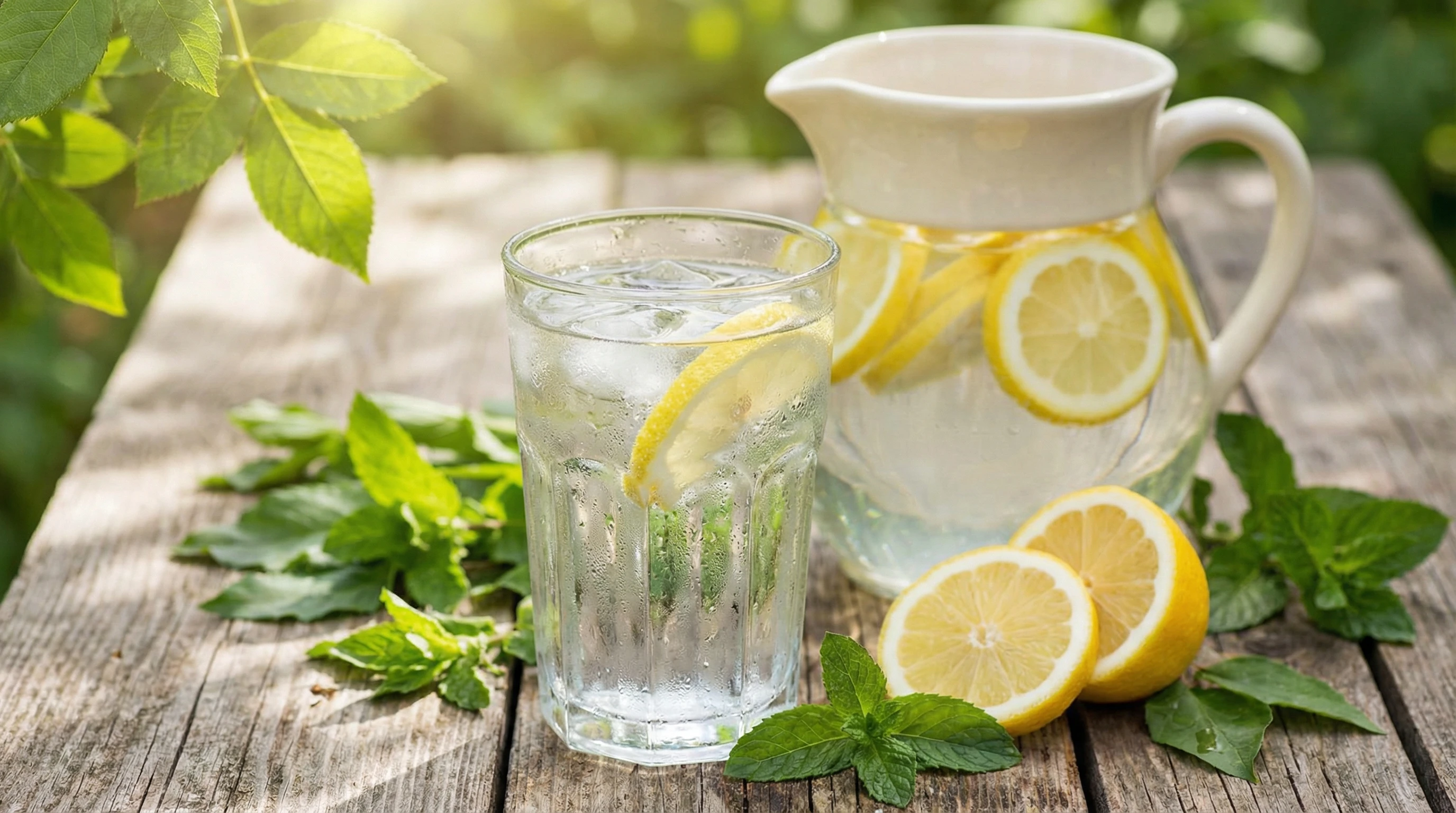
Answer: Try adding lemon, lime, or orange slices, or mix in a splash of juice. Herbal teas, hot or cold, count too, as long as they’re not packed with sugar. Bubbly (carbonated) water is another refreshing way to mix it up without reaching for sugary drinks.
Question: Does coffee dehydrate you?
Answer: Coffee and tea do have mild diuretic effects, but they still count toward your total hydration. You don’t have to avoid them, but as with everything, moderation is key.
Key Takeaways for Everyday Hydration
Hydration is about balance; it’s about staying aware of your body’s signals, drinking enough to feel good, and not stressing about hitting exact numbers every day. Most healthy adults will do well sticking close to the 64-ounce guideline and adjusting up or down based on activity, temperature, or diet. The best hydration advice I’ve found is to keep a bottle handy, keep an eye on your urine color, and let thirst guide you most of the time. Staying flexible and mindful goes a long way. Your body is smarter than you think.