
Eating healthy starts with knowing what makes up your food, and a big part of that is understanding macronutrients. These are the nutrients your body needs in larger amounts, and they show up in almost every food you eat. Proteins, carbohydrates, and fats fall into this group, and each one does something unique in your body. My goal here is to help you get clear on what these macronutrients are, how they work, and how to make smart choices day-to-day.
Getting to Know Macronutrients: The Three Big Players
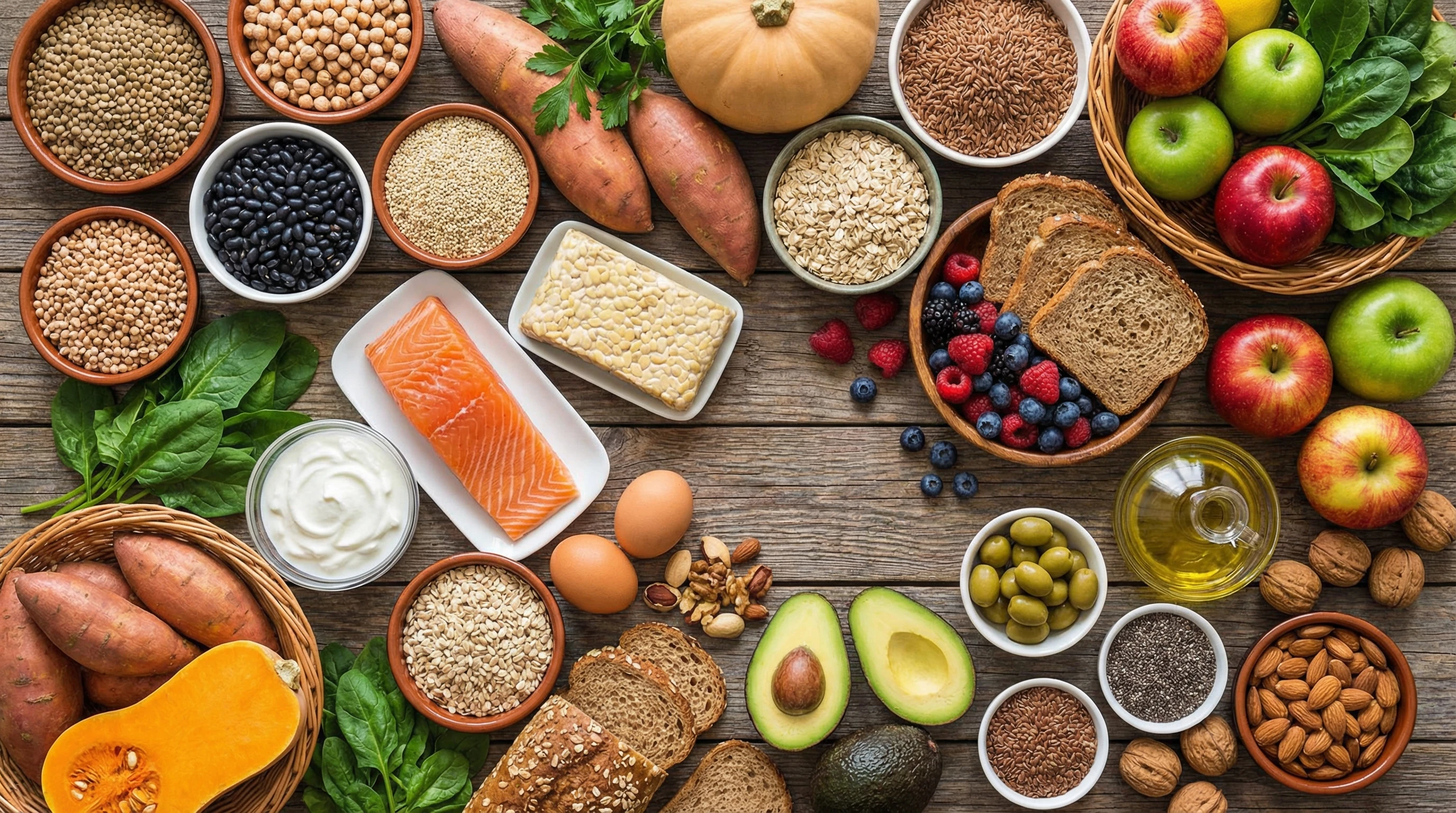
Macronutrients matter because they give you energy and help your body grow, repair, and function. If you look at a nutrition label, you’ll see protein, carbohydrates, and fat listed front and center. Each kind has its own job and shows up in different foods. Making sense of them takes a bit of practice, but once you get it, shopping and eating feel a lot less confusing.
Nutritional science keeps changing, and so do the food trends you hear about in the news or on social media. Staying up to date helps you look past the hype, so you can pick what works for your lifestyle and your goals. It’s a good habit to check in with new research or guidance if you notice things changing in your own routine, or if you’re switching up your eating habits.
There’s also some misconception about the role of macronutrients for everyone. For instance, athletes, kids, older adults, or pregnant people might need to make adjustments, but the basics stay the same — balance and variety matter most.
Understanding Carbohydrates: The Truth Behind the Headlines
Carbs have been called the “enemy” of healthy diets for years, but that reputation is more myth than fact. Your body needs carbs for energy, especially your brain and muscles. The real question is what type of carbs you’re eating. There are two basic kinds: simple and complex.
- Complex Carbs: These are your friends. Whole wheat bread, brown rice, quinoa, oats, and whole grain pastas fall in this group. They break down slowly in your system, keeping you full and giving you steady energy.
- Simple Carbs: These are the ones to limit. Saltine crackers, potato chips, white bread, and sugary sodas are all examples. They break down fast, causing your energy to spike and crash. Eating too many simple carbs can lead to weight gain and make it tougher to control blood sugar.
Whenever I stock up on groceries, I aim for foods with whole grains. I’ve noticed that I feel fuller longer, my energy lasts, and I don’t get stuck in that cycle of hunger and cravings. Plus, whole grain foods often come packed with extra micronutrients and fiber, which help keep things running smoothly in your digestive system.
One myth to watch out for: eliminating all carbs isn’t necessary for most people. In fact, ditching carbs completely can make you feel tired and irritable, and it may also sap your performance during workouts or busy days.
Protein: What It Does and How Much You Need
Protein pulls its weight in building and repairing your body. It’s the reason people talk about eating chicken for muscle, and why protein shakes are so popular with athletes. But protein isn’t just for gym-goers; it’s useful for anyone who wants to stay strong and healthy. Foods high in protein include lean meats, fish, eggs, beans, tofu, and even some vegetables.
While you definitely need protein, there’s a limit to how much your body can use. Loading up on protein with every meal isn’t going to make your body build muscle any faster. The extra protein gets processed by your kidneys, and over time, too much can build up as urea. This adds stress to your kidneys and may lead to issues like chronic kidney disease if it goes on too long. Keeping things balanced, rather than going overboard, is the best way to help your body out.
- How Much? Most people do well with about 0.8 grams of protein per kilogram of body weight per day. That’s about 55 grams for a 150-pound person. Athletes or people doing heavy strength training might want a bit more, but most folks don’t need to double up on every meal.
Remember, you can get all the protein you need from a mix of animal and plant sources, so there’s room for everyone — regardless of dietary preferences or restrictions. Mixing up your protein sources can also help bring in more vitamins, minerals, and healthy fiber.
Fats: Picking the Right Types (and the Right Amount)
Fat used to be the big bad wolf of nutrition, but the real story is that your body actually needs some fat for brain health, energy storage, and hormone production. Not all fat is created equal, though. There are some types to lean into, and some to leave behind.
- Healthy Fats: Foods like avocado, olive oil, nuts, seeds, and fatty fish have unsaturated fats, which support your heart. These can help balance cholesterol and make meals feel more satisfying.
- Not-so-great Fats: Trans fats (often found in packaged snacks or fried foods) and too much saturated fat (think butter, fatty cuts of red meat, and a lot of fast food) are best kept in check. Eating a lot of these over time can drive up cholesterol and lead to weight gain or heart problems.
Something super important to remember: Fats are high in calories, so even the healthy ones add up fast. Ideally, no more than about 20% of your daily calories should come from fat. If you get way past that regularly, it’s pretty easy to gain weight without meaning to. You might want to check nutrition labels and measure out portions, especially with things like nuts or oils, to make sure you’re not overdoing it.
Adding small servings of healthy fat can step up flavors and satisfaction, plus, fat helps your body soak in key vitamins like A, D, E, and K. So don’t skip out entirely—just keep it balanced!
Making Smart Choices: Mixing and Matching for Balance
Building meals with the right balance of protein, complex carbs, and healthy fats is actually pretty straightforward once you get into the habit. The key is swapping out simple carbs for complex ones, choosing lean protein sources, and grabbing healthy fats in smaller portions.
- Carbs: Grab brown rice instead of white. Pick whole grain bread over white bread. Choose fruit over candy.
- Protein: Go for chicken breast, beans, tofu, or eggs. Limit massive steaks or loading up on processed meats.
- Fats: Add a small handful of nuts to your salad, cook with olive oil instead of butter, and make salmon a regular on your dinner list.
When I started making these swaps, my meals felt more filling, and I noticed improvements in both energy and mood. Balance really does pay off in how you feel every day. If you eat out, you can look for meals with veggies, a clear protein source, and whole grains to keep things on track.
Common Questions About Macronutrients
What happens if I eat too many carbs?
Too many simple carbs can make you sluggish and hungry soon after eating, plus they can contribute to weight gain if you eat more calories than your body uses. Sticking with complex carbs helps you stay full and power through your day.
Do I need to eat protein at every meal for muscle?
Getting enough protein throughout the day matters more than loading up at every single meal. As long as you meet your daily needs, you’ll help your muscles and recovery just fine.
Can I eat fat if I’m trying to lose weight?
Healthy fats can actually help with weight loss by making meals more filling and keeping cravings down. As long as they fit within your overall calorie goals, they still have a spot in your daily meals.
Extra Tips for Hitting Your Macronutrient Goals
Getting your macros in line doesn’t need to be time-consuming. Here are a few tricks that have made a real difference for me:
- Prep Ahead: Planning out a few meals each week saves time and stops random snacking on less healthy options.
- Use a Food Tracker: Apps make it quick to see where your macros are coming from, so you can tweak things if you find yourself eating too much of one group and not enough of another.
- Go for Color: At each meal, adding multiple colors from veggies, fruits, and grains is a pretty foolproof way to get a good mix of macros (and micronutrients!).
- Stay Flexible: Perfection isn’t the goal — making steady, healthy choices most of the time is what really matters. If you slip up, just hop back on track at the next meal, no stress.
Real-World Examples: Building Balanced Meals
Taking these ideas from theory to your plate is where things get interesting. Here are a couple of meal ideas I use all the time:
- Breakfast: Oatmeal topped with berries and chia seeds, plus a handful of nuts for healthy fat. Rounded off with a hardboiled egg for protein.
- Lunch: Grilled chicken breast, quinoa salad with assorted veggies, and half an avocado.
- Dinner: Baked salmon, brown rice, and steamed broccoli, cooked with a bit of olive oil.
- Snack: Sliced apple with almond butter or Greek yogurt, and some sunflower seeds to round out your macros.
Each meal here has a balance of complex carbs, protein, and some healthy fat. When you switch to this kind of eating, it’s easier to feel satisfied and keep your energy up without constantly checking labels. If you switch things up based on the season or your mood, you’re also more likely to stick with healthy habits long-term.
Takeaways for Every Day
Understanding how protein, carbs, and fats work, and knowing how much you’re actually eating, help you hit your health goals without feeling like you’re missing out. Staying aware of where your nutrients come from means you’re in the driver’s seat with your health. Keep experimenting, and you’ll find a mix that works best for your taste and your lifestyle. Small, steady tweaks add up over time—here’s to feeling great with a well-rounded plate!