
If you’re looking for a simple, natural way to give your immune system a boost, superfoods can be pretty handy. Adding certain nutrient dense foods to your diet makes it easier for your body to handle everyday stress, fight off bugs, and bounce back from illnesses more quickly. I’m about to share my go to list of the top 10 superfoods that are worth checking out for immune support.
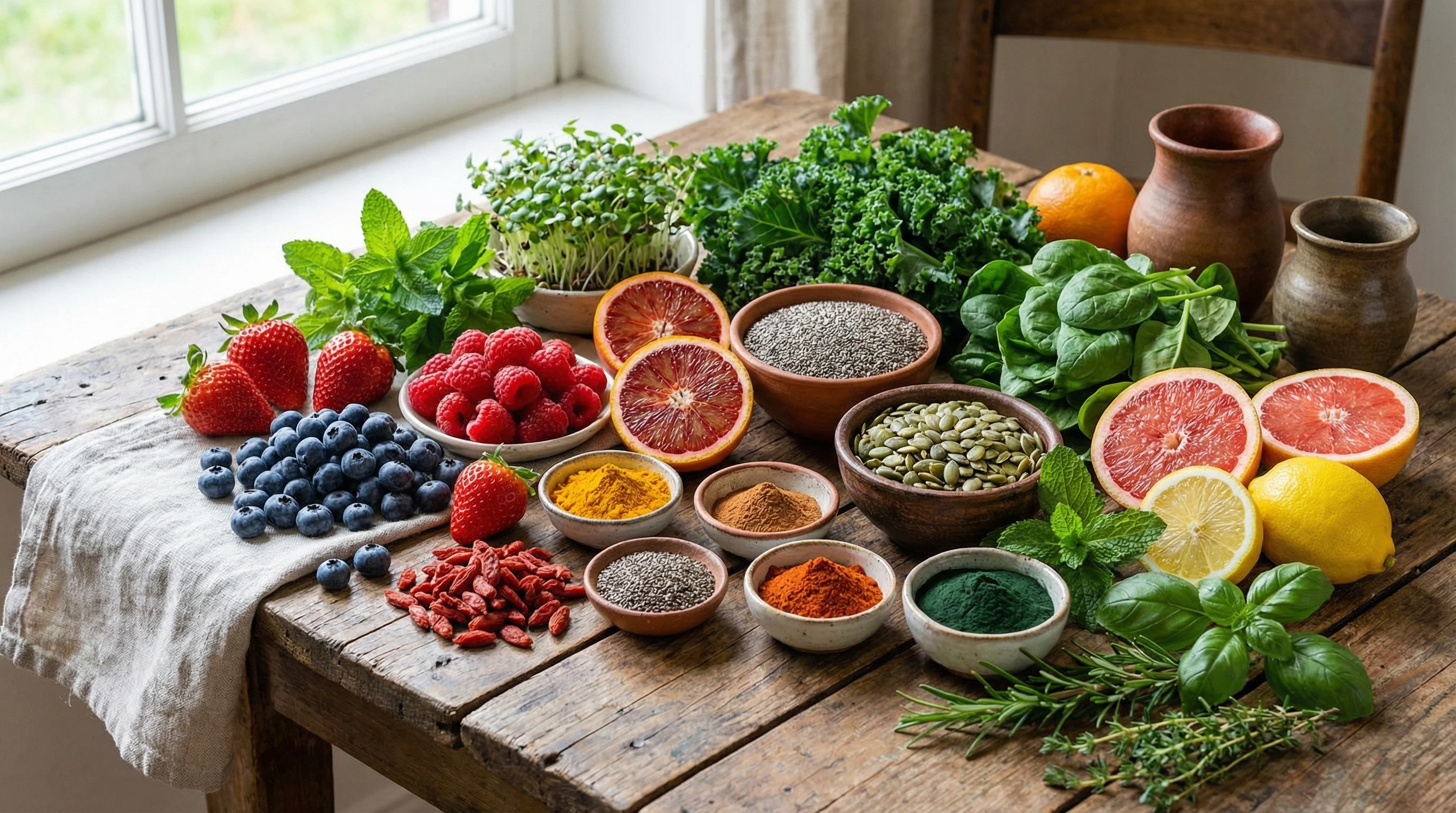
Why Superfoods Matter for Immunity
Your immune system works constantly to protect you, but it needs the right fuel. Superfoods are packed with vitamins, minerals, antioxidants, and other nutrients. They’re not a miracle cure, but they do give your body an edge when it comes to fighting off colds, flu, and even day to day fatigue. Research even points out that people who eat a variety of colorful fruits, veggies, nuts, and seeds tend to stay healthier over the long run (NCBI study).
Everyone’s immune system is a little different, but there’s plenty of evidence that what you eat plays a big part in how well you fend off bugs. Diets rich in natural, whole foods end up providing nutrients that are harder to get from processed snacks. Even for folks with busy schedules, working in a few superfoods here and there pays off. You might not notice results overnight, but a balanced diet built around these foods can lead to better overall health in the long run.
Top 10 Superfoods for Immunity (And Why They Work)
Based on both science and personal experience, these foods earn their spot on any immune boosting list. They’re easy to find, and you don’t need fancy recipes to enjoy their benefits.
- Citrus Fruits (Oranges, Lemons, Grapefruits)
Citrus fruits are my first pick when I want more vitamin C. Vitamin C helps increase white blood cell production, which is super important for fighting off infections. I usually start my day with a fresh orange or a splash of lemon in warm water. It helps that citrus is easy to add to salads, yogurt, or drinks. - Garlic
Garlic’s strong flavor isn’t for everyone, but its immune perks make it worth including in your meals. Garlic contains allicin, which helps your body fight infection and reduce inflammation. Whenever I’m feeling run down, I toss extra garlic into soups and stir fries. Studies link regular garlic consumption to fewer colds and shorter sick days. You can even infuse garlic in olive oil as a dressing to make it easy to drizzle on vegetables or bread. - Spinach
Spinach packs a ton of vitamin C, beta carotene, and antioxidants. These nutrients support your immune cells and help your body repair itself. I like it raw in salads, but tossing a handful into your smoothie or sautéing it with a little olive oil makes it easy to increase your daily intake. Spinach is also versatile and works well in omelets and wraps. - Yogurt
Yogurt is loaded with beneficial probiotics, which keep your gut healthy. Since so much of your immune system starts in your gut, eating fermented foods like yogurt pays off. I go for plain yogurts with live and active cultures so I’m not getting a bunch of extra sugar. Mixing in fruit and seeds can add flavor and make it even more nutritious. - Almonds
Almonds have vitamin E, which works as a powerful antioxidant. It protects your cells from damage and helps support your immune function. Since they’re easy to snack on, I usually keep a small bag around for a quick energy boost. Almond butter on whole grain toast is another tasty way to eat them. - Broccoli
Broccoli is full of vitamins A, C, and E, plus a lot of fiber and other antioxidants. Steaming your broccoli keeps more of the nutrients intact, but roasting it or adding it to casseroles is super tasty too. Broccoli also works well blended into creamy soups for a filling lunch or dinner option. - Turmeric
Turmeric’s bright yellow color comes from curcumin, a compound that’s known for its anti inflammatory and antioxidant effects. Turmeric is a staple in my kitchen, and I add it to rice, soups, or even blend it into smoothies for an immunity boost. Golden milk, made with turmeric and warm milk, is a comforting way to enjoy its benefits. - Ginger
Fresh ginger root helps lower inflammation and is great for your daily routine, especially during cold season. I slice fresh ginger into tea or add it to stir fries for flavor and extra benefits. Ginger also works well grated into salad dressings or fresh juices. - Blueberries
Blueberries are my go to fruit for their mix of antioxidants (especially anthocyanins), vitamin C, and fiber—all helpful for supporting healthy immune responses. I toss them into cereal, oatmeal, or eat them on their own. You can also freeze blueberries for a cold, refreshing snack. - Sunflower Seeds
Sunflower seeds are a solid source of both vitamin E and selenium, which play a role in immune regulation. A small sprinkle on top of salads, yogurt, or even blended into smoothies gives your meals a little immunity upgrade. Try adding sunflower seeds to trail mix or homemade granola bars for a nutty crunch.
How Superfoods Fit Into Everyday Meals
Finding ways to sneak superfoods into your regular meals is easier than it sounds. I’m all about small changes that add up over time. Here are a few practical ways I include superfoods:
- Start your day right: Add berries or citrus to your breakfast, or blend spinach into your smoothie.
- Snack smarter: Swap out chips for a handful of almonds, sunflower seeds, or Greek yogurt with blueberries.
- Upgrade your mains: Toss garlic, broccoli, or spinach into pasta, ends of soups, or omelets.
- Spice things up: Use fresh ginger and turmeric in rice, stews, or teas for flavor and a serious health kick.
The easiest way I remember to include these foods is to prep ahead. Chopping veggies or portioning snacks means they’re already ready when I need them most. Sometimes, I batch cook soups or stir fries at the start of the week, making meals both quick and nutritious.
Things to Consider When Adding Superfoods to Your Diet
Packing your meals with immune boosting foods is a solid move, but a few things are worth keeping in mind for the best results:
- Balance matters: Variety is really important. Sticking to just one or two foods isn’t as helpful as eating a mix throughout the week. Try to cover a spectrum of colors and flavors for better nutrient diversity.
- Watch sugar and additives: When you buy things like yogurt or nut butters, check ingredients for sneaky sugars or fillers. Aim for the simplest ingredient lists to get the most benefits out of your superfoods.
- Portion control: It’s easy to overdo nuts or seeds since they’re energy dense. A small handful goes a long way. Spreading portions throughout the day instead of all at once can help you avoid overdoing it.
- Allergies and preferences: Some superfoods are common allergens, like nuts or dairy, so make swaps that fit your needs. Seeds, oat yogurt, or soy based options can work as substitutes.
Getting the Most Out of Superfoods
Superfoods do their best work as part of a nutrient dense, whole food diet. Pair these immune boosters with plenty of hydration, regular sleep, and some exercise for real results. Processed junk food, stress, and lack of sleep can undo the progress you make with healthy foods, so it’s worth keeping your lifestyle in check. Remember, no single food is a cure all, but all together, healthy choices stack up.
Making Superfoods Your Own
I’ve found that the best way to make superfoods stick in your diet is to keep them front and center in your kitchen. Set out a fruit bowl or keep yogurt and berries at the top of your fridge for easy access. Batch prepping veggie heavy meals like stir fries or frittatas makes it simple to add these ingredients without feeling overwhelmed. Also, try mixing up new recipes every so often; exploring different flavors keeps healthy eating interesting and enjoyable.
Better Health: Real Life Benefits and Stories
Adding these foods to your plate is more than just a trend. There are tons of stories out there of people noticing fewer sick days, more energy, and better focus after switching up their diets with more whole foods. Personally, I used to struggle with frequent colds around flu season until I started making berries, greens, and yogurt a daily habit. It didn’t make me invincible. I still felt under the weather sometimes, but I noticed I bounced back quicker when I did get sick. My friends and family saw similar changes when they included salads and yogurt bowls as a regular part of their routine.
Doctors and nutritionists keep backing up the benefits too. Superfoods help support your immune system, give you energy, and play a role in preventing chronic diseases when part of a balanced routine (Healthline resource). When paired with exercise, solid sleep habits, and stress management, these foods help you stay on top of your health.
- Seasonal changes: I’m extra careful during winter months, packing my meals with citrus and ginger tea to keep my defenses up. Having a pot of vegetable soup on hand in colder months is a comforting way to enjoy more superfoods.
- Times of stress: During busy or stressful weeks, I make sure to get extra greens and berries since stress can wear down your immune response. Even a small smoothie with spinach and blueberries can offer a quick pick me up.
Frequently Asked Questions
Here are a few questions that come up pretty often about superfoods and immunity:
What’s the best way to get started with superfoods?
Try adding one or two new foods each week. Blend spinach into smoothies, or add berries to cereal. It’s all about consistency, not perfection. Make a shopping list before you head to the store, so these foods make it into your cart and onto your plate more often.
Can I rely on supplements instead?
Whole foods beat out most supplements for both nutrition and satisfaction. Try to focus on real food when you can, and use supplements if a doctor or dietitian recommends them. Remember, nutrients work together in food, so eating them together helps your body absorb all the benefits.
Is there a risk of overdoing it with superfoods?
Anything in huge amounts can become a problem, including healthy foods. Stick to recommended servings, and always talk with a healthcare provider if you have allergies or chronic health issues. Moderation is key; a well balanced plate is always the best choice.
Your Immune Boosting Routine in Action
Building better immunity with superfoods is something anyone can do, no matter your cooking skills or schedule. Small swaps, like adding a handful of almonds, sneaking spinach into sauces, or sipping ginger tea, are an easy way to give your body a little extra help. Make healthy food enjoyable and convenient, and you’ll see the benefits over time. Try out new fruits, experiment with new spices, and don’t be afraid to switch up your routine when you need something different.
Staying healthy isn’t about short term fixes or following strict trends. Choosing a variety of immune boosting foods, along with everyday habits like good sleep and regular movement, supports your health in simple but powerful ways. Over months and years, even small adjustments to your diet can make a big difference. Take care of your body, enjoy your meals, and stay consistent. That’s the real secret behind a resilient immune system.