
Weight training is a super useful way to boost your strength, build muscle, and even improve your general health. If you’re new to it, some of the gyms and equipment can feel a bit intimidating, but starting with the right basics gives you a really solid foundation. I’m breaking down what you need to know to get going safely and confidently with weight training, plus some practical tips to help you avoid common mistakes and injuries.
Why Try Weight Training as a Beginner?
Weight training isn’t only about bulking up. It helps with losing body fat, managing stress, feeling energized, and keeping your bones strong. I find that even just a couple of sessions a week can make everyday tasks way easier; everything from climbing stairs to carrying groceries. Plenty of research even shows resistance training supports heart health and can help prevent things like type 2 diabetes.
Weight training started becoming popular back in the 1970s, but it’s a lot more approachable now thanks to online guides, affordable equipment, and gyms that cater to all fitness levels. Whether you’re working out at home or in a fitness center, the variety of options means everyone can jump in, no matter their age or how fit they are right now.
Building Your Starter Weight Training Kit
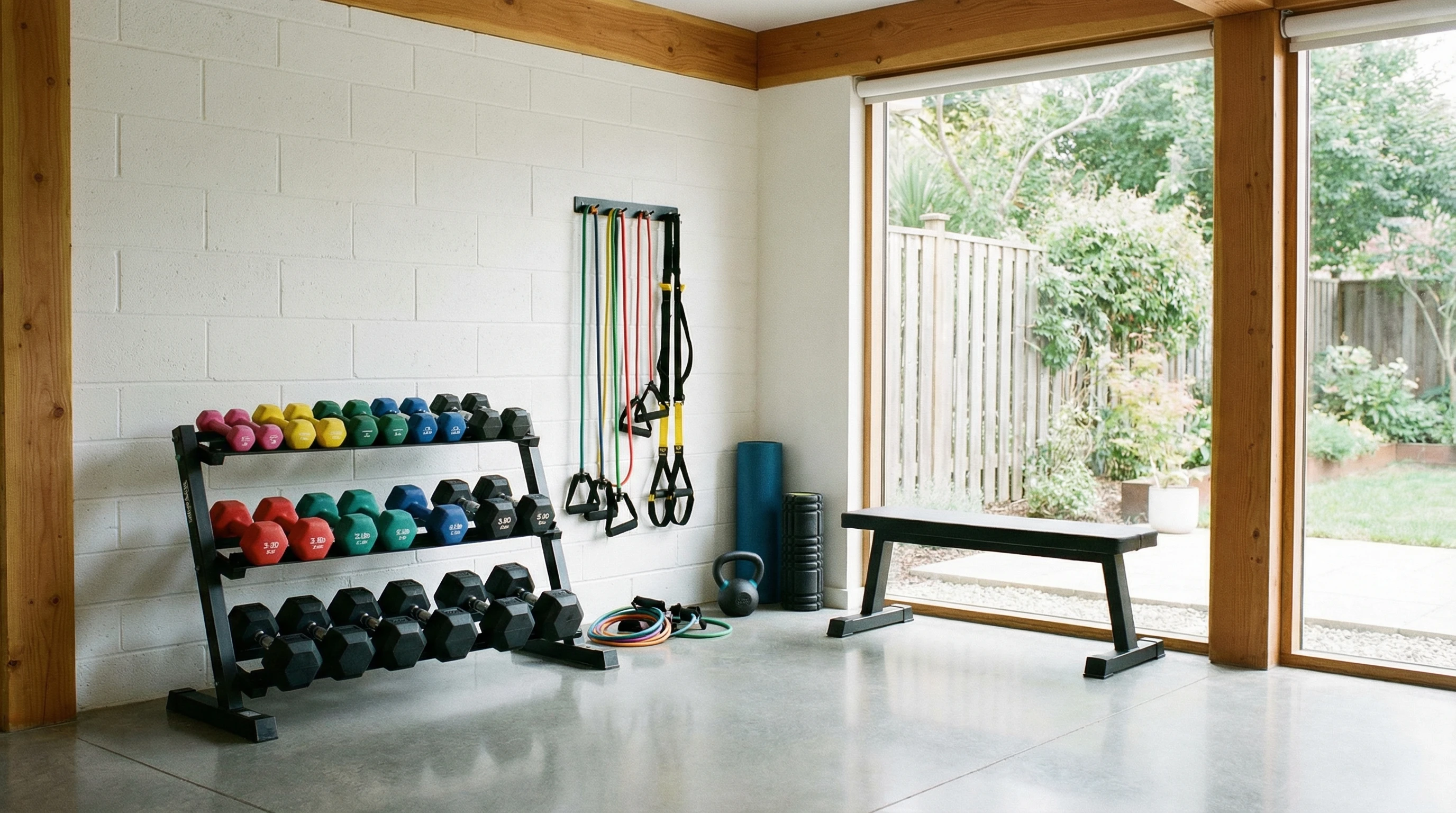
You don’t need tons of fancy equipment to start. It’s much more about learning proper movements and technique. For your first sessions, here’s what I recommend:
- Dumbbells or Resistance Bands: Both are easy to use and don’t need much space. Dumbbells are great for all kinds of exercises, while resistance bands are budget friendly and portable.
- Sturdy Bench or Chair: Super handy for exercises like seated shoulder press, bent over rows, or step ups.
- Yoga Mat or Soft Surface: Protects your joints for floor exercises like push ups or core work.
- Comfortable Shoes and Clothing: Keeps you safe and able to move properly with each rep.
If you plan to use a gym, machines can be great for beginners; they help guide your movement and teach good form. Start simple and upgrade your kit as your confidence and strength grow.
Step by Step Beginner Workout Plan (With Safety in Mind)
Sticking to the basics makes a big difference when you’re just starting out. I usually suggest a “full body” routine that targets your main muscle groups in one session. Here’s a classic structure that works well for most people:
- Warm Up (5-10 minutes): Walking, cycling, or dynamic stretches get your blood flowing.
- Squat: Works legs and glutes. Start with bodyweight squats or use a chair for support.
- Push Exercise: Try push-ups (on knees if needed) or use dumbbells for chest press.
- Pull Exercise: Bent over rows with light weights or resistance bands target your back.
- Core: Planks or simple crunches keep your torso strong and steady.
- Cool Down and Stretch: Gently stretching your muscles aids recovery and flexibility.
Aim for 1-2 sets of 8-12 reps of each move. That’s a good spot for beginners to develop a routine, and you can build up from there. Rest for about 60-90 seconds between sets; it’s just enough recovery to keep you going without losing momentum.
Key Tips for Weight Training Safely
Keeping safe while you train is super important, especially at the beginning. Here are a few things I always focus on:
- Start with Light Weights: There’s no rush to lift heavy. Perfecting your form is much more helpful than pushing big numbers.
- Focus on Technique: Watch video tutorials or ask for advice if you aren’t sure about an exercise. Mirrors can help, too; they let you check your posture and mechanics while you move.
- Listen to Your Body: Slight discomfort can be normal, but sharp or lingering pain isn’t. Stop if something feels off.
- Rest and Recover: Taking at least a day off between sessions gives your muscles time to repair and grow.
- Hydrate and Eat Well: Proper nutrition supports your energy and helps your body recover faster.
Bad habits early on, like lifting too heavy or using poor form, increase your risk for injury. If you’re not sure where to start, fitness trainers are available at most gyms for guidance, even if it’s only for a session or two.
Common Mistakes Beginners Make (And How to Avoid Them)
- Skipping the Warm-Up: Jumping in without warming up can lead to strains. I always start with a few minutes of easy cardio and movement drills to prep my muscles.
- Poor Posture and Range of Motion: Half reps and awkward positions don’t let you get the full benefit. Slowing down and practicing each movement all the way through pays off later.
- Training Too Often: More is not always better. Three sessions a week is usually plenty for beginners, with rest days built in for recovery.
- Not Breathing Right: Holding your breath can spike your blood pressure. I breathe out when lifting the weight and breathe in when lowering it.
Many of these slip ups are easy to address once you know what to look for. Staying patient and focusing on the basics will keep you progressing safely.
Cool Features of Weight Training Workouts
Weight training doesn’t need to feel repetitive or boring. Here are some things I find pretty next level cool, especially when you want to keep things fresh:
- Bodyweight Variations: Squats, lunges, or push-ups can be done anywhere; no gear required.
- Supersets and Circuits: Switching quickly between a couple of moves is a time saving way to stay motivated and boost your heart rate.
- Tracking Progress: Noticing your improvements is actually pretty rewarding. Keeping a simple notebook or using a fitness app adds a nice touch of motivation.
- Flexible Routines: You can build workouts that fit your schedule, using as little as 20 minutes in your living room.
Even after years of training, I still go back to these basics whenever I need a reset or want to make sure, I’m doing things right.
Examples: How Beginners Can Take Up a Notch Safely
- Progressive Overload: This means slowly adding a little more weight or one extra rep as you get stronger. That’s how you keep improving without big risks.
- Using Machines for Support: Gym machines like the leg press or cable row help new lifters get comfortable. They’re good for practicing technique before moving on to free weights.
- Mixing in Cardio: Combining light weight work with short walks or cycling sessions can help you recover faster and develop better heart health.
It’s a marathon, not a sprint. Small, steady gains are the way I encourage most people to train, especially when you’re building confidence early on. Take time to check out different styles and find what genuinely fits your interests. Some people stumble upon a love for circuit training, while others enjoy sticking to tried and true routines. Switching things up here and there can help you stay interested and avoid boredom, all while making steady progress. And if you want even more guidance, check in with certified trainers online; there are many free resources and communities ready to help you build momentum.
Frequently Asked Questions on Weight Training for Beginners
What’s the best way to start weight training if I’ve never done it?
Pick up a pair of light dumbbells or resistance bands and try some of the basic exercises I listed above. It helps to follow a beginner workout video or talk to a personal trainer for some starter tips. The key is to take your time and let your body adjust.
How often should I train each week as a beginner?
Two or three full body sessions each week is usually enough to see progress and let your muscles recover between workouts. Try to keep your sessions consistent but allow yourself breaks as needed for recovery and motivation.
What if I can’t get to a gym?
Plenty of effective exercises use body weight or basic household objects. For instance, filled water bottles work great as makeshift weights. Bodyweight moves build a solid base before you add more resistance. You can always check out online tutorials or phone apps that guide you through routines using minimal gear.
What should I eat around weight training?
Try for a balanced meal with protein, carbs, and veggies a couple of hours before you train, and refuel with something similar after. Hydration is really important during your session, too. Sometimes even a handful of nuts or some yogurt can work as a quick snack if you’re in a hurry.
Final Thoughts
It’s easier than ever to get started with weight training, and there are so many options for all budgets and comfort levels. Finding a routine that fits your lifestyle and making consistency your goal beats chasing fast results. Little by little, you’ll notice more energy, better mood, and steady strength gains; all by sticking with a few simple strategies. I’m always glad I stuck with it, and I think you’ll feel the same way too. Remember, it’s about progress, not perfection, so keep at it and enjoy your adventure!