Staying limber isn’t just for gymnasts or dancers; everyone can benefit from better flexibility and mobility. If you want to keep moving effortlessly as you get older, you’ll want to pay attention to stretching and flexibility exercises. These aren’t only helpful before and after workouts—they make daily movements smoother and more comfortable, too. I’ll walk you through what you need to know to start improving your flexibility and mobility whatever your age or fitness level.
The Basics: Flexibility vs. Mobility
Flexibility and mobility sometimes get mixed up, but they’re not quite the same. Flexibility is about how far your muscles can stretch. Mobility, on the other hand, covers how freely and easily your joints move through their range of motion. While you can be flexible and still have stiff joints, or mobile without being super stretchy, working on both together helps keep your body balanced and injury-free.
Keeping these concepts clear helps you pick the right exercises and routines as you begin making changes. Flexibility improves with regular stretching, while mobility thrives on movement and stability work. Both are really important for enjoying activities from walking the dog to lifting groceries.
Why Flexibility and Mobility Matter
I’ve noticed over the years that staying flexible is more than feeling good after a workout. Here’s why you’ll want to work on flexibility and mobility, especially as the years go by:
- Less Muscle Stiffness and Soreness: Regular stretching cuts down on stiffness after a workout or even after a day at your desk.
- Better Workout Performance: When joints and muscles move freely, exercise gets easier and safer.
- Lower Injury Risk: Limited mobility or flexibility makes strains or sprains more likely.
- Everyday Movement Feels Smoother: Simple things like tying shoes or reaching high shelves are less awkward when your flexibility is on point.
- Stay Active Longer: Being flexible helps you keep up with sports, hobbies, or just playtime with kids or grandkids.
How To Warm Up And Stretch Effectively
There’s a bit of science behind warming up and stretching for the best results. When your body is cold, muscles aren’t as elastic. Warming up gets your blood circulating, making your muscles more pliable and less likely to pull or tear.
- Before a Workout: Try dynamic stretches. These move your joints and muscles through a full range, like leg swings, arm circles, or bodyweight lunges. They prep your body for action.
- During Activity: If you’re doing something intense or repetitive, such as lifting weights, quick gentle stretches between sets keep you loose.
- After a Workout: This is when static stretching (holding a stretch for 15 to 30 seconds) helps your muscles relax and recover. Focus on areas you used most.
Lots of people ask if they can skip stretching, especially if they’re in a hurry. From my own experience and what research backs up (source), making time for stretching really makes a difference in how good you feel both after workouts and in everyday life.
Simple Moves To Try At Home
You don’t need fancy equipment or a gym membership to build flexibility. Here are basic stretches and mobility moves worth adding to your routine:
- Hamstring Stretch: Sit on the floor, reach for your toes, and keep your legs straight. You’ll feel it in the back of your legs.
- Couch Stretch: With one knee on the floor and your shin against a couch or wall, bring your other foot forward and gently tilt your hips forward. Great for hip flexors.
- Shoulder Circles: Stand tall and slowly make circles with your arms. First forward, then backward. Loosens up the shoulder joints.
- Cat-Cow: On all fours, arch your back up (cat) and dip it down (cow). This is great for spine mobility.
- Ankle Circles: While seated, lift your foot and gently rotate your ankle. Repeat both directions for each foot.
Quick Guide: Building A Flexibility And Mobility Routine
Creating a routine you’ll actually stick with is pretty handy. I’ve picked a framework that works for almost anyone and lets you adjust as you improve:
- Pick Your Timing: Flexibility routines work well after workouts, before bed, or first thing when you wake up. Find what fits in your day.
- Start With A Light Warm-Up: March in place, jog lightly, or try a quick mobility flow for 5 minutes.
- Focus On Major Muscle Groups: Prioritize hamstrings, quads, hips, back, shoulders, and calves.
- Mix Dynamic and Static Stretches: Dynamic ones before a workout, static ones after.
- Repeat Two to Three Times Each Week: Consistency brings the best results, but keep rest days in between to avoid overdoing it.
- Track How You Feel: Note areas that feel especially stiff; adjust your stretches based on what you need and which movements felt good.
Don’t forget, flexibility and mobility progress takes time and patience. Even just ten or fifteen minutes a few times a week can make a real difference. Try keeping a simple journal to note your stretches and how you feel afterward. This helps motivate you to stay consistent and spot any areas that could use more attention.
Things To Consider Before Trying New Flexibility Exercises
Like picking out a new workout plan, a flexibility and mobility routine comes with its own set of things to keep in mind. Here’s what I find most important:
- Start Gently: Ease in with mild stretches and basic movements. Forcing things can cause more harm than help.
- Don’t Ignore Pain: Discomfort is normal when stretching; actual pain is not. Stop if something feels sharp, because that’s a sign to pause.
- Important Health Concerns: If you have joint problems, injuries, or chronic conditions, talk to your doctor or a physical therapist before doing something new.
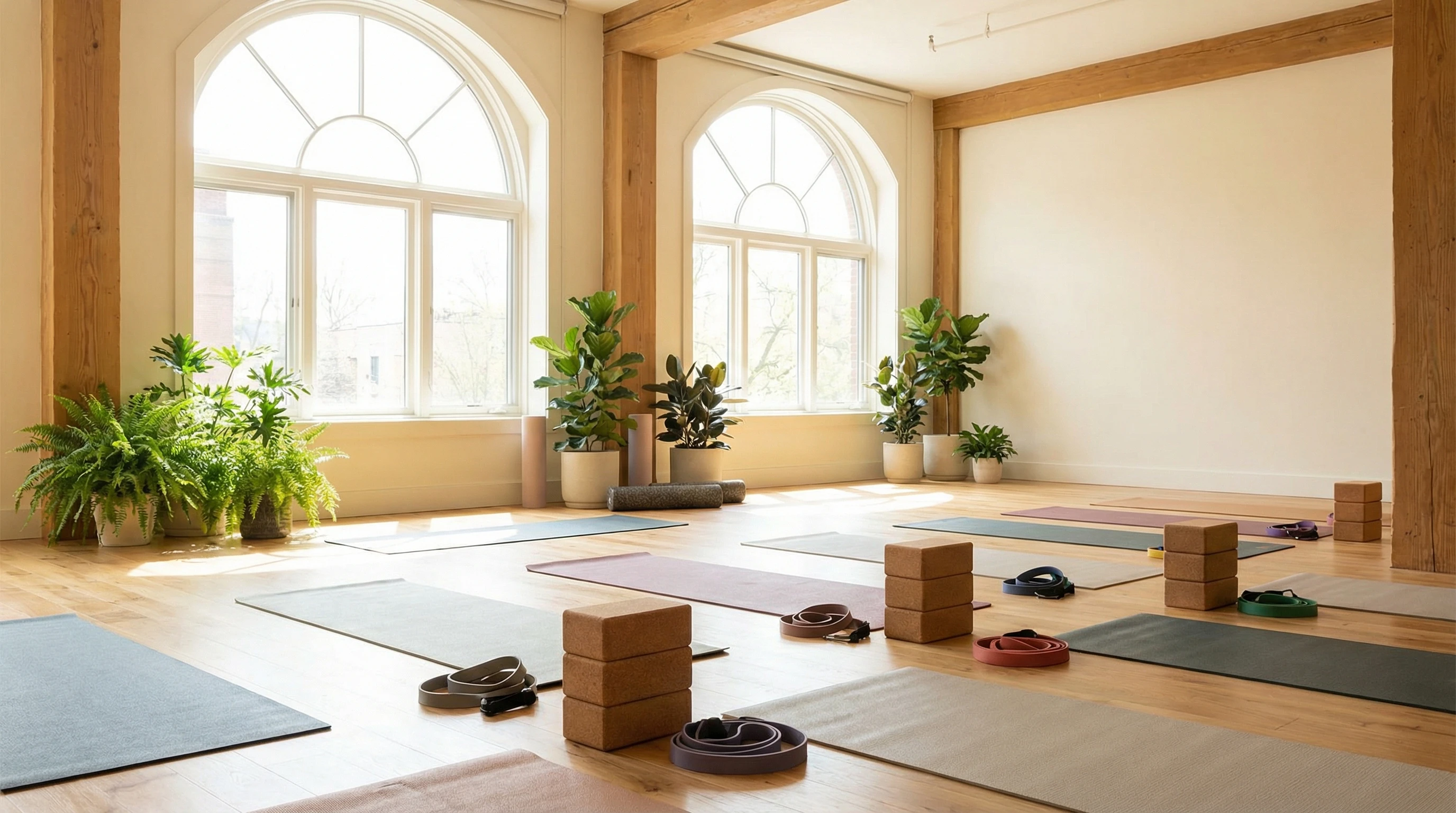
- Use Props: Foam rollers, yoga straps, or even cushions can support you if you’re less flexible or dealing with tightness. They’re especially useful for making stretches accessible as you gain mobility.
Why Warming Up Is Super Important
Jumping straight into deep stretches with cold muscles is a recipe for trouble. I’ve had far smoother workouts after just five minutes of mobility drills, plus fewer aches and pops in the joints. A short warm-up with light cardio or dynamic stretching helps avoid strains and makes stretching feel way better.
Adapting For Age and Ability
Your flexibility and mobility needs change over time. For anyone in later years, consistent gentle movement is super important for keeping balance and coordination, too. Even a daily stretching routine—nothing fancy—can go a long way for enjoyment and independence in daily life.
If you need ideas to keep things interesting and safe for all ages, consider adding gentle activities like walking or recreational swimming, which also support joint health. No matter your age, it’s never too late to start getting more limber; just listen to your body’s signals as you go.
When To Stretch for Best Results
I get asked a lot about the right time to stretch. While it depends on your schedule, stretching after a workout, during cooldown, or even in the evening allows your warm muscles to lengthen safely. With consistency, you’ll notice you’re a bit more bendy and less achy week after week.
Advanced Tips and Tricks
Once you feel comfortable with basic routines, there’s plenty of room to ramp up your results:
Add Resistance Bands: Using bands helps you increase range safely and build strength as you go. Super handy for hamstrings, hips, and shoulders.
Try Self Myofascial Release: A foam roller can target tight spots and prep your muscles for deeper stretches. It’s especially helpful for runners and people who sit a lot.
Check Out Yoga or Pilates: Both practices are excellent for allover flexibility and mobility. You’ll also build balance and strength, which support healthy joints and muscles.
Vary Your Stretch Angles: Instead of the same moves every day, tweak your angle, stance, or grip to target different areas.
These tweaks help you get even more out of your routine and keep things interesting, so you don’t get bored. I’ve seen noticeable improvements just by switching up my stretches every month or two. And if you ever feel stuck, join a local community fitness class; sharing the experience with others can provide motivation and great new ideas.
Flexibility And Mobility FAQ
I come across these questions pretty often, so here are some practical answers to help you out.
Question: How long does it take to improve flexibility?
Answer: With regular stretching. About three times a week. Most people notice changes in about four to eight weeks. Progress is gradual, but it’s definitely worth it.
Question: Should I stretch every day?
Answer: Gentle stretching daily is safe for most people. It’s a great way to stay limber, especially if you’re dealing with sore muscles or stiffness from sitting for long periods.
Question: What’s the best way to prevent injury as I stretch?
Answer: Always warm up first, move slowly, and focus on proper form. Using props and modifying poses is super helpful to protect joints as you move.
Wrapping Up
Taking care of your flexibility and mobility pays off across every chapter of life. These routines make all sorts of daily tasks easier and keep you feeling youthful in body and spirit. Start simple, listen to your body, and keep things up consistently. As movement gets easier and aches fade, you’ll see why a little stretching time is worth every minute. Whether you’re looking to chase after your kids, improve your workouts, or just make everyday tasks more enjoyable, taking a few moments for flexibility and mobility really sets you up for long-lasting wellness.