
Starting a workout routine can feel a little confusing at first, but it’s honestly one of the best things you can do for your body and mind. I’ve been there, excited, a bit nervous, and not totally sure where to begin. If you approach it with the right mindset and some practical tips, you can build a habit that sticks without feeling overwhelmed.
Why Start a Workout Routine?
Building a fitness habit has a bunch of upsides. Getting regular exercise is great for your heart, helps you manage stress, boosts your mood, and even helps you sleep better. It can keep your body strong and flexible, lower your risk for a bunch of health issues, and just generally make you feel good.
It’s easy to imagine that only serious athletes or gym regulars get real value from working out, but that’s not true at all. Beginners have a lot to gain just by getting started. Truly, moving your body at any level brings benefits. Exercise also helps step up your brain health, aids in weight control, and supports long-term mobility. Whether you’re looking to add more structure to your week or you want to feel more energetic, starting a routine opens the door to so many positive changes in your daily life.
Beginner Friendly Types of Exercise
Choosing the right workouts is pretty important early on. Pick activities you enjoy and that fit your lifestyle. Here are a few beginner-friendly ideas:
- Walking: An easy, accessible way to boost your fitness. You can do it almost anywhere, and it’s super low impact.
- Bodyweight Exercises: Think squats, lunges, pushups, and planks. These are solid for building strength, and you don’t need any gear.
- Yoga or Stretching: Perfect for flexibility and stress relief. There are tons of free online videos you can follow at home.
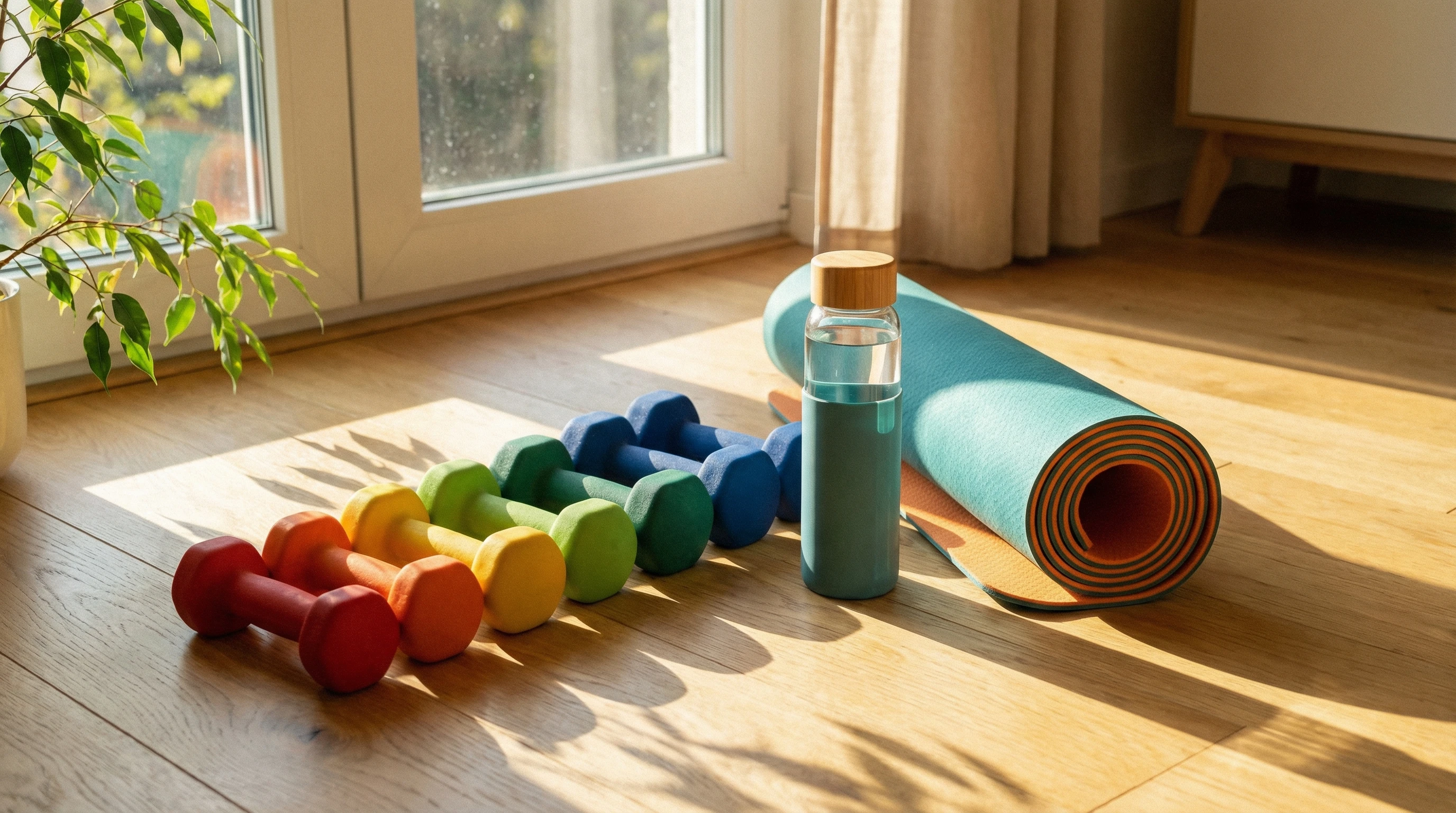
- Light Weight Training: Using dumbbells or resistance bands can help, and you don’t need to lift heavy. Start light!
- Cycling or Swimming: Both excellent options for working your whole body without heavy impact on your joints.
Aside from these options, you might check out dancing, hiking, or even beginner martial arts classes. All these activities can help you move your body in new ways, meet new people, and keep things from ever feeling too routine. Remember, the best workout is the one you enjoy enough to keep up!
How To Build Your Workout Plan
I recommend starting off simple. Two or three days a week is ideal, with at least a rest day or two in between for recovery. Here’s a super basic structure that works well for most beginners:
- Pick Your Days: Set aside specific times during your week. Treat these like appointments with yourself.
- Choose Short Sessions: 20 to 30 minutes is plenty to get going. It’s much easier to build a routine when the bar isn’t set too high.
- Mix Up Activities: Alternate between different types: strength training, cardio, stretching, or balance moves.
- Listen to Your Body: Pay attention if you feel sore, tired, or get any unusual aches. Rest and adapt as you need.
- Track Your Progress: Whether you note things in a journal, an app, or just on your calendar, seeing what you’ve accomplished can be really motivating.
Keeping a flexible mindset helps you stay motivated, so don’t be afraid to switch things up if you find something isn’t working for you. You might try a new class one week, then focus on home workouts the next. The main thing is to keep building momentum and to make your workouts a regular part of your schedule.
Getting Ready For Your First Workouts

A little preparation sets you up for an easier start and helps avoid unnecessary hassle. Here are a few things I like to remember:
- Comfortable Clothes: You don’t need fancy gym outfits. Any comfortable, not too loose clothing and sneakers with decent support are totally fine.
- Water Bottle: Keeping hydrated is really important. Have a water bottle nearby so you can take a quick sip as you need.
- Stretching: Do some gentle stretching before, during, and after working out. This helps avoid feeling stiff later, especially if you’re new to exercise.
- Set Up Your Space: If you’re working out at home, clear a small area so you can move around safely.
And just a quick reminder: starting slow is totally the way to go. There’s no reason to push your body too hard. Your muscles, ligaments, and joints need time to get used to new activities. If you’re ever unsure about a movement, especially strength exercises, check a short video or ask someone in the know for pointers on good form. Good form isn’t only about how you look — it’s about staying safe and getting better results.
Taking a before photo or jotting down how you feel at the start can also be super motivating over time. Looking back at your progress is one of the best ways to keep yourself excited about what comes next.
Overcoming Common Beginner Hurdles
Everyone hits a few bumps early on. I still remember struggling with motivation or feeling self conscious. Here’s how I got past some typical roadblocks:
- Lack of Motivation: Find a buddy or join a beginner friendly class. It’s easier to show up when someone else is in it with you.
- No Time: Fit in short workouts whenever you have a gap, even 10 minutes helps. Some movement is always better than none.
- Not Sure Where to Start: Use beginner workout apps or free online videos. Even following a written routine for basic moves can help.
- Soreness: Some mild soreness is normal when you’re starting out, but take it easy if you feel any sharp or weird pain.
If you start to feel bored, try a new activity or change your workout music. New songs or a new setting can instantly give your motivation a boost. Remember, there are plenty of ways to move, and finding what excites you can make all the difference in building a lasting habit.
Staying Safe and Avoiding Injuries
Injuries are most likely to happen when you go too hard, too soon, or skip warming up and stretching. Here are my quick tips for staying safe:
- Always warm up for 5 to 10 minutes with light movement (walking, marching in place, or gentle stretching).
- Don’t ignore how you’re feeling. Rest if your body says you need it.
- Stretch after every session to help with soreness and flexibility.
- Follow online or app demonstrations for proper technique, especially with strength moves.
- If you have any health conditions or concerns, chat with your doctor before you start.
Paying attention to your body signals is one of the smartest things you can do from day one. Taking breaks when needed and adjusting your workouts as you build strength will help keep you on track long term.
Handy Tips For Making Your Routine Stick
The hardest part is sometimes just sticking with it for those first few weeks. These are a few tricks that helped me:
- Set a specific goal (like doing three walks this week or trying two new moves).
- Celebrate small wins. Managed your first week? That deserves a little treat or your favorite smoothie.
- Switch up your playlist, workout spot, or try a new type of workout to keep things interesting.
- Keep your workout gear in a spot you’ll see every day; visual reminders can work wonders.
It can also help to write down your reasons for starting. Whether it’s wanting more energy, feeling stronger, or just proving to yourself you can stick with something, reading your “why” when you feel sluggish can help reignite your drive. Try setting reminders in your phone or using motivational sticky notes to keep your goals top of mind.
What Kind of Equipment Do You Actually Need?
You really don’t need a bunch of expensive gadgets to get started. Most beginners are just fine with:
- Yoga Mat: Makes floor exercises and stretches more comfortable. Great if you’re on hard floors at home.
- Light Dumbbells or Resistance Bands: Worth checking out if you want to add strength training. Bands are affordable and easy to stash away.
- Comfortable Sneakers: Just basic running shoes work, as long as they’re comfortable and supportive.
Plenty of solid routines use only bodyweight, so you can save the fancy stuff for later if you want to keep things basic for now. If you’re not ready to invest in equipment, remember you can improvise with household items like water bottles for weights or towels for stretching.
Frequently Asked Questions
Question: How long should I work out as a beginner?
Answer: Around 20 to 30 minutes is a great place to start. Even shorter sessions count, especially when you’re building up the habit. Focus on being consistent rather than going hard every time.
Question: Do I really need to stretch every time?
Answer: Stretching helps your flexibility, gets your body ready to move, and can help prevent that sore, stiff feeling the next day. It’s definitely worth including before and after your workout.
Question: What’s the right amount of water to drink?
Answer: I usually aim for a few sips every 10 to 15 minutes of exercise, but if you’re sweating a lot or it’s hot, you may want more. Listen to your body and keep a bottle close by!
Question: What if I miss a workout?
Answer: Missing a day here or there isn’t a big deal. Just get back to your routine and don’t stress. Progress is all about what you do most of the time, not being perfect.
Wrapping Up: Staying Consistent and Enjoying The Process
The biggest key to building a fitness routine is being patient and realistic with yourself. Starting slow and steady keeps things safe and helps you avoid burnout. Stay hydrated, stretch plenty, and focus on just moving a little more each week. Over time, you won’t only see results physically, but you’ll feel more confident in what your body can do.
Stick with it, give yourself some credit for every single step, and enjoy the benefits that come from taking care of yourself. It’s an adventure, and you’re totally on the right track just by starting!