Weight training has picked up a lot of steam lately, and it’s always interesting to see how many ideas are floating around about what lifting weights can or can’t do for women. There’s no shortage of myths, but there’s also some solid, research-backed info that really clears things up. I’ve been weight training consistently for years and have seen firsthand not just the physical changes, but also the boost in everyday confidence and energy. Here’s what I’ve learned about the most common myths, along with real facts, when it comes to women and weight training.
Why Weight Training Matters for Women
There’s an old-school idea that weight training is only for men, or that it turns women “bulky.” In reality, regular weight training brings big benefits for women, whether your goal is to tone up, get stronger, or just feel better in your skin. Lifting weights builds muscle, which naturally gives your metabolism a boost. That means your body burns more energy, even when you’re resting. Another major perk is that it helps build and maintain bone strength—so vital for women as they age and want to reduce their risk of osteoporosis.
Weight training can give your mental health a lift, too. I’ve noticed my regular sessions give a great sense of progress and that endorphin kick helps relieve daily stress. Studies like this one by the National Institutes of Health show improved mood and lower anxiety levels for those who lift weights compared to folks just sticking to cardio.
Myth-Busting: The Biggest Weight Training Myths (and the Facts)
So many women hold back from starting with weights because of stubborn myths. Here are the ones I hear most often, with the real facts to clear things up:
- Myth: Weight Training Makes Women Bulky
Adding lots of muscle bulk is tough for women due to hormone differences. What really happens is that your muscles get more defined, and most women feel “leaner” and more toned, not bigger. You won’t accidentally become a bodybuilder overnight—unless you’re following a really intense lifting plan and a specialized diet, which is very rare. - Myth: Cardio is Better for Fat Loss
Cardio is great, but weight training is just as effective, or sometimes better, for fat loss. Muscles burn more calories than fat, and keeping or building muscle boosts your metabolism. Combining both brings top results for health and body composition. - Myth: Free Weights are Dangerous
With good form and a slow, steady approach, free weights are safe. Most injuries come from using bad technique, not weights themselves. Start with lighter weights and watch your form in the mirror—or ask for a quick tip from a trainer—to stay on track and avoid problems. - Myth: Weight Training Means Only Using Machines
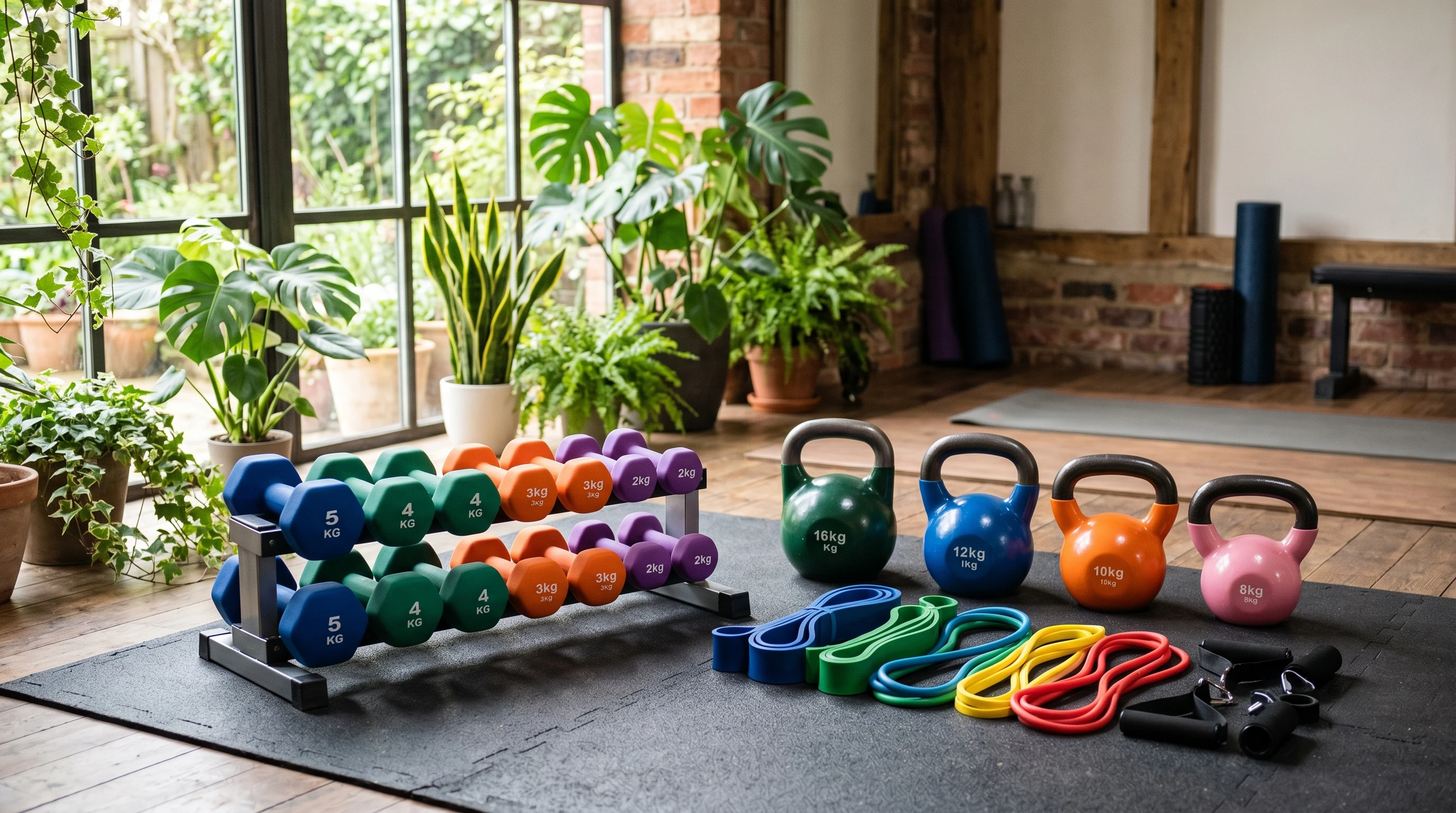
While machines are useful, they’re just one option. Dumbbells, kettlebells, resistance bands, and even bodyweight moves recruit more muscle groups at once, which adds balance and functional strength benefits. - Myth: Older Women Should Avoid Weights
Strength training works for all ages. In fact, it’s especially important as you age to keep bones strong, maintain mobility, and cut down on fall risks. Research from the Centers for Disease Control and Prevention actually recommends resistance training for adults of every age group.
Starting Out: How Women Can Begin Weight Training Confidently
Jumping into a new workout routine can feel intimidating, but breaking things down makes it much easier. When I started, I learned a few movements, watched videos for good form, and wrote down my routine to track improvement. Here are some steps to help you start strong:
- Learn Basic Movements First: Most beginner plans include squats, lunges, deadlifts, pushing exercises (pushups or overhead presses), and pulling moves (like rows or pullups). These work several muscle groups at the same time, making them a time saver and very effective for building strength and torching calories.
- Pick Manageable Weights: Don’t worry about lifting heavy right away. The best weight is one that feels challenging for your last few reps but lets you keep good form. When unsure, choose a lighter start and build up as you go.
- Use a Mix of Free Weights and Machines: Machines can help guide your motion and are less intimidating early on. Once you’re comfortable, switching in dumbbells or kettlebells helps further step up your stability and control.
- Rest and Recovery: Your muscles need time to grow stronger. Always allow at least a day’s rest between working the same muscle groups.
- Track Your Progress: Writing down weights, sets, and reps in a journal or app makes wins visible over time and helps you adjust your program as needed.
Common Challenges (and Simple Solutions!)
Every new habit has its set of challenges, and weight training for women is no different. Here are a few common sticking points and how I tackled them:
- Muscle Soreness: Feeling sore when starting out is normal. Light stretching, foam rolling, and drinking plenty of water help you bounce back for the next workout.
- Not Seeing Progress Right Away: Visible changes take time, but you’ll usually feel stronger before you notice muscle definition. Focus on adding a little more weight or reps, and see progress in different ways.
- Gym Intimidation: The gym can be scary initially. Having a plan written out or bringing a friend helps you focus and feel more at ease. Over time, your confidence will grow.
- Time Constraints: Weight training doesn’t need to take forever. Even short, intense sessions two or three days a week add up quickly if you stick with them.
- Diet Misconceptions: Many think lifting means a strict or “special” diet. Getting enough protein supports muscle repair, but you don’t need supplements or a fad plan to benefit from weight training—just focus on balanced, real foods.
How I Overcame Initial Jitters
In my first month, I kept things simple and made sure to ask questions if I got stuck. Comparing your beginning with someone else’s middle never helps, so I made a habit of tracking my own progress—it made little victories stand out and kept me excited for each session.
Tips for Making the Most Out of Your Training Sessions
Strength training is about more than just lifting heavy weights. Effectiveness and enjoyment both grow with consistency and smart choices. These tips helped me get better results and have more fun along the way:
Set Realistic Goals: Decide what drives you—maybe it’s being able to carry grocery bags with ease, feeling strong in day-to-day life, or training for an event. That gives your workouts more meaning and motivation.
Focus on Form: Always choose quality reps over high numbers. Good form shaves down chances of injury and brings better results in the long run.
Switch Things Up: Changing your routine every few weeks, trying new moves, or varying sets and reps keeps things fun and ramps up your progress.
Find a Support System: Sharing your journey with friends, getting involved in a class, or just chatting with others at the gym can give you an accountability (and motivation) boost.
Weight Training for Women: Real-World Benefits
It’s eye-opening to see real-life changes from lifting weights. For me, daily jobs—like carrying groceries, lifting a full laundry basket, or playing with my kids—suddenly felt a little lighter. Friends talk about their own physical benefits, like less joint pain, better posture, and being able to jump into new sports, all because they worked weight training into their week.
- Bone Health: Lifting helps slow bone loss and keeps bones stronger, especially as you age.
- Injury Prevention: Strengthening muscles supports your joints and helps avoid imbalances that could otherwise cause injuries.
- More Confidence: Progress in the gym adds to your self-belief and often spreads to other parts of your life, too. It’s a big bonus that keeps many women coming back.
- Boosted Energy and Resilience: Lifting regularly helps the body cope with daily stress and tasks, making life’s busy moments a bit easier to handle.
Beyond the physical perks, women often stumble upon new hobbies or social circles through weight training, which can create positive ripple effects in different parts of life. And while results look different for everyone, the shared sense of personal improvement and growth is something almost all can relate to.
Frequently Asked Questions
Do I need a gym membership for weight training?
Definitely not. It’s possible to see great results with at-home setups using dumbbells, resistance bands, or even your own bodyweight. The gym simply offers more equipment options, but it’s not required.
How many times a week should I train?
For most new lifters, two to three sessions each week is ideal. As your confidence and recovery improve, adding extra sessions is totally doable.
Will I lose flexibility if I lift weights?
No—using full range of motion builds and maintains flexibility. Include dynamic stretches before workouts and static stretches after to stay loose and mobile.
What should I eat to get the most benefit?
Meals balanced in protein, carbs, and healthy fats give your body what it needs to train and recover. There’s no magic formula; sticking to real foods and staying hydrated goes a long way.
Takeaway: Weight Training Works for Every Woman
Speaking from personal experience—and from watching many women chart their own progress—I can safely say weight training is absolutely worth trying. It helps you grow stronger, more mobile, and more confident. The benefits last well beyond the gym or workout window. Don’t let old myths or self-doubt stand in the way; start wherever you are, respect your own pace, and watch as weight training takes your well-being up a notch!