
Asthma is a pretty common condition that affects people of all ages around the world. Its impact on daily life can range from mild to more challenging, especially when it comes to exercise. For a lot of people, breathing comfortably during physical activity is something they think about only rarely. But if you have asthma, the whole picture changes. I’ve learned that understanding how asthma relates to exercise can help you make smart choices, reduce setbacks, and feel more confident about staying active.
What Is Asthma? A Quick Overview
Asthma is a chronic (long-term) respiratory condition that causes inflammation and narrowing in the airways. These airways are basically the tubes that carry air in and out of your lungs. When you have asthma, certain triggers, like pollen, dust, exercise, or even cold air, can cause your airways to react. They get swollen, produce more mucus, and tighten up. This makes it tough to breathe, especially when you’re physically active.
The World Health Organization estimates hundreds of millions of people live with asthma worldwide. The condition can start at any age, and while some people outgrow it, many manage it for life. It’s important to know that asthma isn’t contagious, but it often runs in families. Triggers can be different for everyone, so figuring out what affects you personally is a big deal for keeping symptoms under control.
Doctors believe that asthma develops when a variety of genetic and environmental factors mix together. For some, respiratory infections or allergies in childhood can start the process, while others may develop symptoms later in life due to exposure to smoke, pollution, or workplace irritants. No matter how it begins, recognizing the signs of asthma and getting an accurate diagnosis means you can step up to manage it effectively.
How Asthma Impacts Exercise and Physical Activity
If you have asthma, you might notice that exercise sometimes makes your symptoms worse. This is known as exercise-induced bronchoconstriction (EIB), often just called “exercise-induced asthma.” When you breathe harder and faster, especially through your mouth, cooler and drier air hits your sensitive airways. This can set off a reaction, causing wheezing, coughing, and shortness of breath.
It’s pretty common for asthma symptoms to show up within 5 to 20 minutes after starting exercise or right after finishing. Some folks get tightness in the chest, others find they just can’t catch their breath. If EIB is part of your asthma experience, you might feel anxious about working out, which is totally understandable. But regular exercise is actually really helpful for overall lung health and wellbeing, as long as you know how to approach it the right way. Studies suggest exercise can help your lungs work better over time, make day-to-day activities easier, and even boost your immune system.
Keys to Exercising Safely with Asthma
Staying active with asthma takes a bit of planning, but it’s definitely possible. I always recommend talking to your doctor or asthma nurse before starting a new exercise routine. They can help you create an asthma action plan and decide if you need to adjust any medications.
- Warm Up Slowly: Spend at least 10 minutes warming up before intense activity. This helps your airways ease into deeper breathing and lowers your risk of sudden symptoms.
- Know Your Triggers: Factors like cold air, pollen, pollution, and intense bursts of activity can all play a part. Try to avoid outdoor exercise on days with poor air quality or lots of pollen if those affect you.
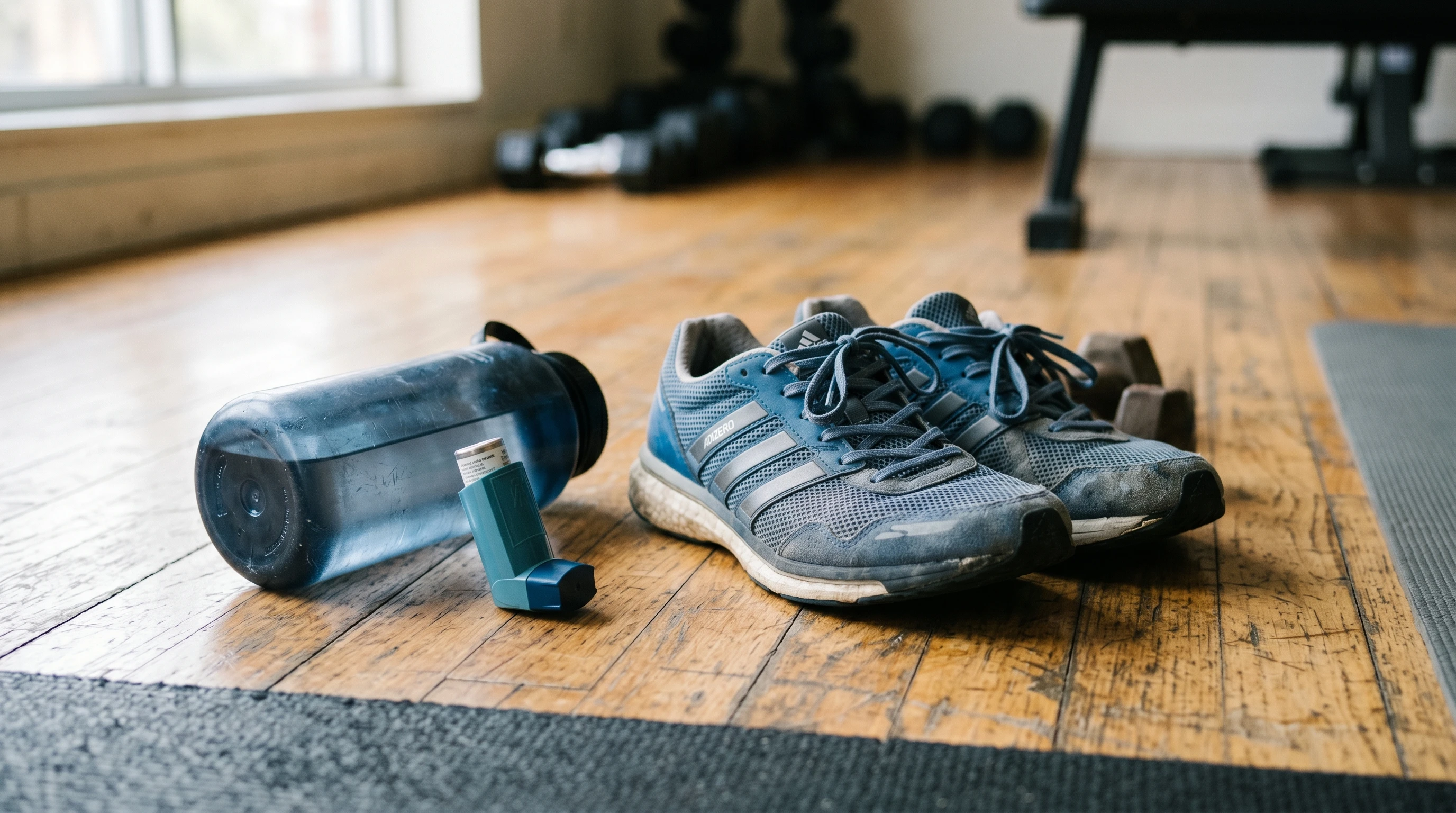
- Use Medication as Directed: Many people are prescribed a quick-relief (rescue) inhaler. For those prone to EIB, your doctor might suggest using your inhaler 10 to 15 minutes before exercise. Some people also use daily controller inhalers for long-term symptom management.
- Pick Asthmafriendly Activities: Swimming is often suggested because the warm, humid air can feel easier on the lungs. Cycling, walking, yoga, and strength training are also less likely to trigger problems compared to ultraintense sports.
Sticking to these basics can go a long way toward making exercise less stressful and more enjoyable if you have asthma.
Another good idea is to cool down slowly after exercise. Taking the time to gently ease your body and breathing back to normal helps keep your airways calm. Hydration matters also—drinking water can combat dryness that sometimes triggers coughing. Logging your exercise sessions and any symptoms you experience can be helpful for tracking patterns and sharing with your healthcare provider.
Common Challenges with Asthma and Exercise
Everyday obstacles are pretty normal, especially when you’re learning how to manage asthma and stay active. Here are a few common hurdles and ways to handle them:
- Unexpected Symptoms: You might start a workout feeling fine, then get coughing or tightness after a few minutes. Keeping a rescue inhaler handy is really important, and learning how your body responds to different activities helps you adapt.
- Cold Weather: Breathing in cold, dry air is a common trigger for asthma symptoms. Wrapping a scarf or mask over your nose and mouth can help warm and humidify the air before it reaches your lungs.
- Allergies: Outdoor exercise can mean exposure to pollen or pollution. Choosing indoor workouts on highpollen or poor air quality days can help stay ahead of flare-ups.
- Anxiety or Fear of Symptoms: Worrying about breathing problems can make them feel worse. Working with a healthcare professional, and taking things slowly, can help build confidence over time.
Managing Medications During Exercise
Knowing when and how to use asthma medications makes a big difference. Quickrelief inhalers work fast to open up airways, and using them before and sometimes after exercise can help keep symptoms away. Longterm control medicines, usually inhalers taken every day, reduce inflammation and help prevent symptoms altogether. Regular checkins with your doctor are a good way to keep your medicine routine working for you.
Dealing with Setbacks
Even with the best planning, setbacks happen. If exercise always triggers symptoms or if things are getting worse, don’t push through. Take a break and talk to your doctor. You might need a medication adjustment or want to try different exercises. Listening to your body is smart, not a sign of giving up. Remember—every step you take toward understanding your body helps you move forward.
Tips for Enjoying Exercise with Asthma
Active living with asthma isn’t just possible; it comes with plenty of perks, from better mood to improved lung strength and fitness. Here are some tips that make working out safer and more fun:
- Always carry your inhaler when exercising, even if you haven’t needed it for a while.
- Exercise with a friend or in a place where help is nearby, especially if you’ve had a severe asthma attack before.
- Avoid superintense, sudden bursts of exercise until you know how your body reacts.
- Plan workouts in places with good air quality and temperature control, like indoor gyms or pools.
- Gradually increase both the length and intensity of your workouts—making slow, consistent progress is usually better than doing too much all at once.
- Consider breathing exercises or mindfulness routines; they can help lower anxiety around symptoms and might train your lungs to handle activity more easily.
Asthma and Exercise: RealWorld Examples
I’ve seen plenty of stories about athletes with asthma succeeding at every level, from local fun runs to Olympic competitions. Many people with asthma find that sticking to their action plan, being aware of symptoms, and working closely with their health team lets them enjoy everything from cycling to competitive swimming. In my experience, even simple activities like neighborhood walks or beginner yoga classes offer huge physical and mental benefits.
- Swimming: Pools are usually warm and humid, which feels good for many people’s airways. Just check for chlorine sensitivity, since sometimes strong chemicals can be a trigger.
- Walking or Hiking: You get steady movement without huge bursts of effort, and you can adjust the pace as needed. Choosing less busy times or routes can help avoid pollen or pollution.
- Team Sports: Many can join soccer, basketball, or baseball as long as triggers are managed and inhalers are kept close by. Coaches and teammates should know about your condition so they can help if you’re having difficulty breathing.
Over the years, a number of wellknown athletes have spoken openly about their asthma, helping others feel less alone. With the right strategies and sensible pacing, there are few limits to what someone with asthma can achieve.
Frequently Asked Questions
Here are some common questions I get about asthma and exercise:
Question: Can people with asthma participate in competitive sports?
Answer: Yes! With proper management, many people with asthma play sports, run races, or even compete at high levels. The key is following an asthma action plan and having medications handy.
Question: What should I do if I have an asthma attack during exercise?
Answer: Stop the activity right away and use your rescue inhaler. If symptoms don’t get better or if you’re struggling to breathe, seek medical help immediately. Safety comes first.
Question: Are there exercises that are better or worse for asthma?
Answer: Swimming, walking, cycling, and yoga are often easier on the airways. Activities with lots of stops and starts, like basketball or sprinting, can be a little harder, but they’re not off limits if your asthma is well managed.
Building Confidence and Staying Motivated
Having asthma doesn’t mean missing out on a healthy, active lifestyle. The more you understand how asthma works and what helps prevent symptoms, the easier it is to keep moving, stay healthy, and feel good. Set realistic goals, celebrate your progress, and talk openly with your health provider about any worries. There’s a path to being active that fits every life. With a little planning, asthma can become just one part of your story—not the thing that stops you from living it to the fullest. Remember, finding the right activities and working at your own pace makes movement enjoyable and stressfree.