
Swimming is a fantastic way to stay active, unwind, and have fun. Whether you’re headed to the beach, relaxing by the pool, or doing laps at your local aquatic center, knowing some practical safety basics can make all the difference. Over the years, I’ve picked up a handful of smart habits in the water, many learned from lifeguards, coaches, and personal experience. That’s why I’m sharing the top five safety tips I believe every swimmer should always keep in mind.
Why Swimming Safety Matters
Swimming offers all kinds of health and social benefits, but not paying attention to simple safety tips can lead to accidents or even life-threatening situations. According to the CDC, around 4,000 fatal unintentional drownings happen in the U.S. annually, and thousands more suffer injuries and close calls. Being smart in and around the water is more than a good idea. It’s really important for everyone, regardless of skill level.
It doesn’t matter if you’re an experienced swimmer or a beginner getting comfortable with the shallow end. Risks like strong currents, sudden cramping, or even getting distracted for a moment can catch you off guard. That’s why building safety habits now pays off big time in the long run.
1. Never Swim Alone
This tip comes up everywhere for a reason. Swimming with a buddy means you’ve got instant help on hand if something goes wrong. Lifeguards do a great job, but having a friend or family member in the water keeps everyone extra safe.
- Swim with a buddy: Always bring a friend or make sure someone is watching from the pool deck or shore.
- Let someone know your plans: Even if you’re hitting the pool solo during quiet hours, give a heads up to a housemate or family member.
For kids and teens, adult supervision is absolutely necessary. I always recommend staying within arm’s reach of any child, even if they know how to swim.
Swimming with a group, especially in unfamiliar places, offers even greater safety. More eyes means hazards can be spotted sooner, and emergencies get a faster response. If you’re swimming outdoors, it’s a smart idea to establish regular check-ins with your swimming partner regarding how you both feel. Quick check-ins can catch fatigue or issues before they become serious problems.
2. Know Your Limits (and Respect Them)
I’ve seen a lot of folks get into trouble by pushing themselves too hard. Just because you can swim the length of the pool one day doesn’t mean you’re ready for open water the next.
- Be honest about your skills: Don’t take on deep water, long distances, or strong currents if you haven’t built up your endurance and technique.
- Rest when you’re tired: A break between laps or during an openwater swim helps you stay sharp and prevents exhaustion.
- If you feel off, get out: Sudden chills, muscle cramps, or dizziness all mean it’s time to take a breather or call it a day.
Openwater swimming calls for extra caution. Lakes, rivers, and oceans behave differently from pools and bring more variables, like shifting currents or sudden changes in depth. Even good swimmers have to respect those elements. Stay up to date on local water advisories, and if you’re trying a new spot, ask locals about any hazards or conditions before heading out. Also, avoid swimming a long distance away from the shore, piers, or boats unless you are certain you have the strength and skills to get back safely.
3. Learn the Basics of Water Safety and Rescue
Basic water safety skills are something every swimmer should know, no matter their age. You don’t need to be a lifeguard to make a difference. I always tell friends these are the minimums:
- How to float and tread water: This buys time in an emergency and keeps your head up if you feel tired or scared.
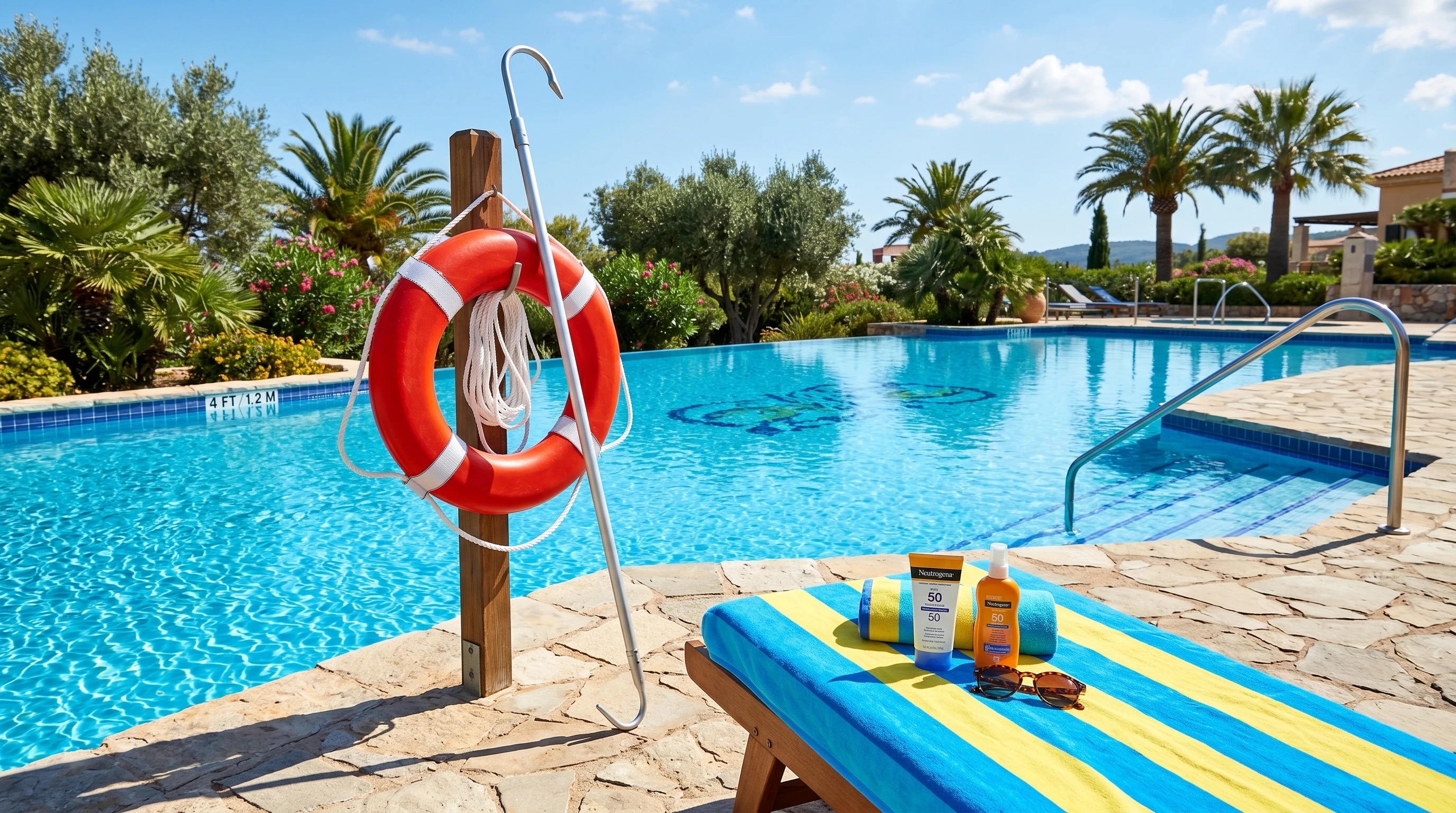
- What to do if someone else is in trouble: The general rule is “Reach or throw, don’t go.” Use a life ring, pool noodle, or towel, and avoid jumping in unless you have specific rescue training.
- How to call for help: Know where emergency equipment is stored and how to contact locally available help quickly.
Classes from organizations like the American Red Cross cover these skills, plus CPR and first aid, which come in handy in and out of the pool. I’ve taken a few refresher courses, and I always leave feeling more prepared.
If you frequently swim in open water, consider taking a specialized water rescue course. These classes provide real-world scenarios and tools to help you stay sharp and react quickly if needed.
4. Pay Attention to Pool Rules and Water Conditions
Pool rules and water safety signs might seem repetitive, but they exist for good reason. They help keep everyone safe by pointing out hazards that may not be obvious, especially in unfamiliar spots.
- Shower before entering: It isn’t only about hygiene, rinsing off helps keep pool chemicals balanced and water clear.
- No running or horseplay: Slippery decks cause falls fast, and roughhousing easily leads to someone accidentally hitting their head or being pushed into deep water.
- Watch for warning flags or signs: Beaches and lakes post info about tides, currents, or bacteria. Red or yellow flags mean different things at different spots, so check before you swim.
- Obey lifeguards at all times: If a lifeguard says the pool is closed or water is unsafe, they aren’t just being fussy. They know what to look for.
The more you can recognize, the safer you’ll be. Paying attention often means catching a risky situation before it turns serious.
Always enter the water feet first on your first plunge, especially if you’re not sure of the depth or what’s in the water. Remember, water conditions can change fast—if you notice a sudden drop in temperature, stronger waves, or shifting weather, get out or move to shallow water where you’re safer. At natural swimming sites, scan for signs about bacteria alerts, wildlife, or forbidden areas, as these alerts are there for your protection.
5. Use Safe Swimming Gear and Sun Protection
Having the right gear on hand keeps swimming fun and lowers the risk of injuries or sunburn. I swear by a few basics, especially if I’m spending hours in or near the water.
- Wear proper swimwear: Suits that fit well prevent drag and reduce entanglement risks, especially around drains or pool jets.
- Use U.S. Coast Guard approved life jackets: For non-swimmers or open water, life jackets offer sturdy support compared to basic pool floats.
- Protect against the sun: Waterproof sunscreen, rash guards, and hats for the beach all help avoid nasty burns.
- Bring goggles: Clear vision helps you stay aware of your surroundings, plus keeps your eyes happy in chlorinated pools.
Bringing a dry bag or case for your phone is smart if you plan to swim at a remote location. You never know if you’ll need to call for help or check a map. Ear plugs, nose clips, and swim caps can also make the experience more comfortable, especially for regular swimmers. It’s a small investment that keeps you safer and more comfortable in the long run.
Other Useful Swimming Safety Tips and Common Hazards
Besides the top five, there are a few extra practices that come up every season. Water safety is about good habits that stick, not just rules to memorize.
- Alcohol and swimming don’t mix: Alcohol slows reaction time and impairs judgment, both in and around water. I always steer clear of drinks until swim time is over for the day.
- Be alert for weather changes: Thunder means it’s time to get out right away. Even distant lightning can be dangerous around pools and open water.
- Doublecheck water depth before diving: If you’re unsure about the depth or what’s under the surface, skip the dive to avoid neck or spinal injuries.
Parents with young children can try water safety classes together. Many communities offer affordable group lessons that teach everyone how to be confident and safe near water.
Wildlife is sometimes overlooked as a hazard. In lakes, rivers, or oceans, keep an eye out for jellyfish, leeches, or even submerged logs. If you’re swimming anywhere without a lifeguard, bring a floating device and review emergency signals with your group before getting in. Having a plan boosts safety for everyone.
Quick Safety Checklist for Every Swim
- Swim with someone else or at a guarded pool
- Know your limits, and stick to wellmarked areas
- Check for lifeguards and posted rules
- Wear the right gear, including sunscreen and goggles
- Scope out safety equipment and entry/exit points
I always give this list a quick mental runthrough before heading out. It takes a minute and really makes a difference in building routine habits.
Frequently Asked Questions
Question: What’s the safest way to introduce a child to swimming?
Answer: Start with parent and child classes that focus on comfort in the water. Always stay within arm’s reach, and make it fun with toys or gentle games, never force a child who is scared. Floatation devices and swim lessons can add confidence, but handson supervision is key.
Question: Can I swim right after eating?
Answer: It’s an old myth that you cannot swim after eating. Light meals and snacks are usually fine. Listen to your body, if you feel sluggish or full, wait until you’re comfortable before swimming.
Question: How often should adults practice water safety skills?
Answer: Brushing up on floating, treading water, and basic rescues is a good idea at least once a season. Many community pools offer refresher courses or workshops, especially at the start of summer.
Learning Safety Is a Lifelong Habit
Practicing good habits every time you swim means you’ll get more out of your time in the water and worry less about accidents or injuries. Simple steps like bringing a buddy, watching for changes in conditions, and brushing up on rescue basics help you and everyone around you stay safe. Whether you swim for sport, fitness, or relaxation, these tips belong in your summer toolkit. Enjoy the water with confidence, and if you’re curious, local swimming and water safety classes are always worth checking out for new tips and skills.