
If there’s one genre of music that’s sneakily powerful for mental wellness, it’s easy listening. Whether I’m up against a stressful week, a packed commute, or simply need a reset at home, tunes with a mellow vibe can really mix things up. Here’s a guide on how easy listening music can help tone down stress and anxiety, plus tips for making it work in real life.
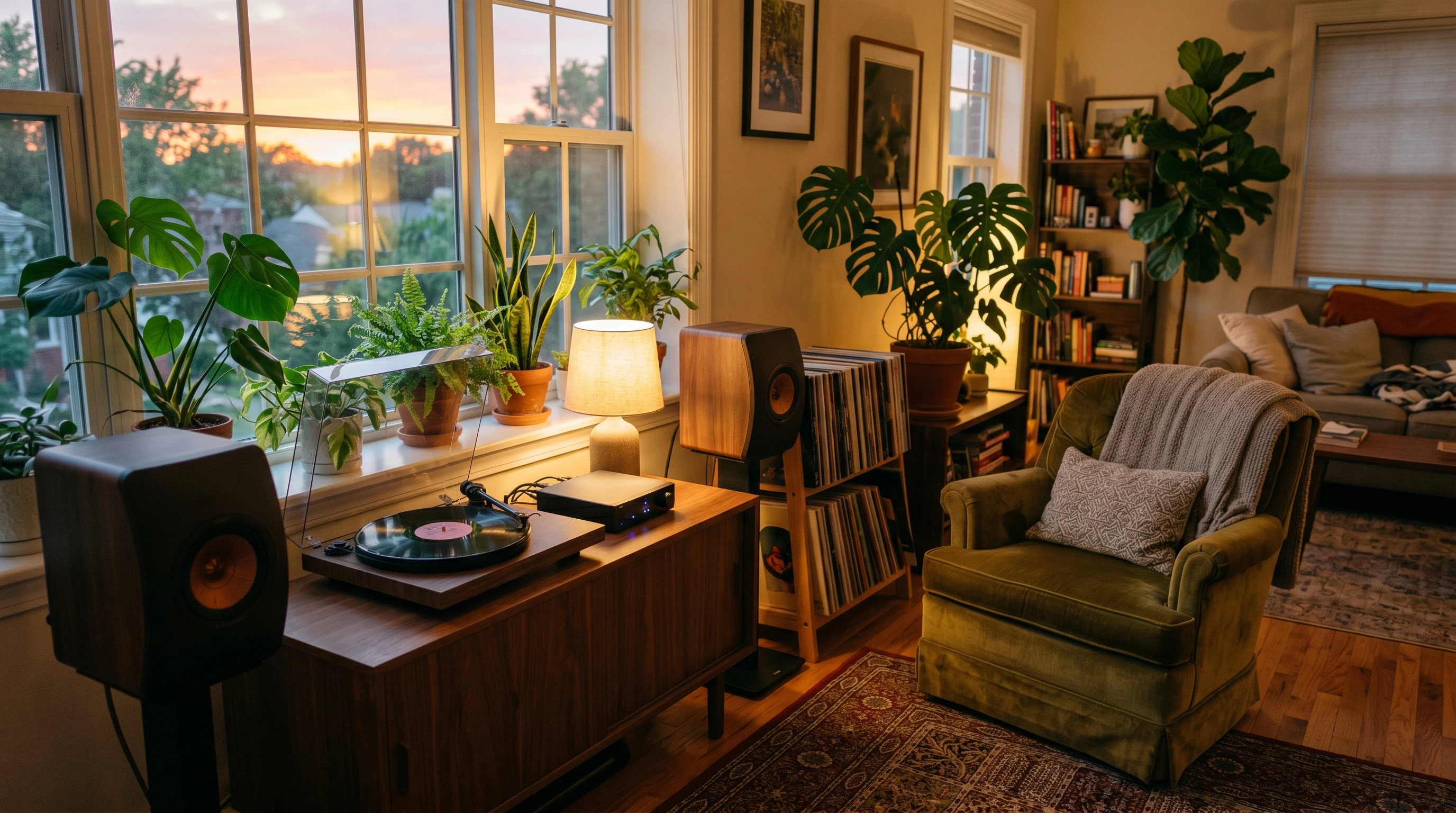
Why Easy Listening Music Calms the Mind
Easy listening music is all about soothing melodies, smooth rhythms, and gentle instrumentals. Think of music from artists like Norah Jones, Air, or even classic instrumental covers. This genre isn’t flashy, and that’s its secret strength for stress relief. The calming sounds help keep my nervous system in check and create an immediate sense of comfort.
The science behind this is pretty interesting. Research from the American Psychological Association shows that slow tempo, low key music can lower heart rate, slow down breathing, and reduce cortisol—that’s the stress hormone your body releases when things get hectic. When my mind is racing or I’m feeling tense, playing a relaxed playlist gives my brain a cue to slow down.
Many therapists also recommend easy listening for resetting a frazzled mood. Studies like this 2013 review in Frontiers in Psychology suggest music is a practical way to get emotions from racing to chill mode.
Getting Started: Making Easy Listening Work for You
Setting up a stress busting music routine is pretty simple. I start by building playlists of instrumental or soft vocal tracks. Streaming platforms have readymade playlists like “Chill Lounge” or “Acoustic Relaxation”, which are perfect if you’re not sure where to begin.
Volume matters too. I keep music at a moderate level, so it feels present but never overwhelming. The key is subtlety; easy listening should almost blend into the background, kind of like a gentle companion during chores or reading time.
- Timing it Right: I’ll often play these tracks mid afternoon, which is a common slump time, or before winding down for bed. Even five to ten minutes is enough for a reset.
- Pairing with Other Habits: Easy listening works great with activities like stretching, tidying up, or journaling. It adds a bit of positive energy without being a distraction.
- Spaces that Matter: Whenever I need a quick mood boost, I’ll turn on soft tunes in the kitchen, bath, or anywhere I want to create a calm vibe. This can turn regular rooms into cozy retreats.
You might even mix in some variety by switching up where you listen, maybe even trying outdoor spaces like a balcony or garden for a breath of fresh air and new perspective. Sometimes, pairing easy listening with sunlight or a comfy chair is all it takes to feel refreshed.
Real-World Benefits: How Easy Listening Music Helps Stress and Anxiety
This genre isn’t just about background noise; it’s proven to have a real effect. Here are some ways I notice the benefits, along with what research says:
- Reduces Tension: After twenty minutes of mellow music, I feel my jaw unclench and shoulders drop. The effect isn’t dramatic, but it’s steady, like someone turned a dial down on my anxiety.
- Improves Sleep: I’ve found that a bedtime playlist with slow piano or acoustic tracks helps me drift off faster. The National Sleep Foundation even recommends easy listening for better sleep quality.
- Boosts Mood: Part of what works about this genre is the gentle lift it brings. A favorite soft track can remind me of good memories and just move my attention from worries to something comforting.
- Encourages Mindfulness: When I focus on the texture of the music (like a string section or soft vocals), my brain has something simple and predictable to follow. This lightweight focus makes it easier for me to stay present and ease any tendency to overthink.
What Makes a Track Easy Listening?
Not every chill song is automatically easy listening. The genre usually has these traits, so I listen for:
- Smooth Instrumentals: Lots of piano, guitar, maybe gentle synths or light percussion.
- Steady, Slow Tempos: Nothing frantic, usually between 60 and 80 beats per minute, which mimics a restful heart rate.
- Sparse Lyrics or None at All: Instrumental tracks or simple, repetitive lyrics are less likely to trigger overthinking or distraction.
- Warm Sounds: Reverb, rounded bass, and soft melodies keep the feeling cozy instead of dramatic.
Popular examples include George Benson’s “Breezin’”, Sade’s “Smooth Operator”, or any of Brian Eno’s ambient albums. Even covers of pop songs done in a stripped down style often land in this zone. Feel free to get into new tracks and experiment with lesser known artists or playlists that focus on emerging musicians for more options.
Tips for Maximizing Stress Relief
It’s not just what you listen to—it’s also how you use it. Here are ways I get the most out of my listening sessions:
- Create Dedicated Playlists: Build lists based on mood or time of day. I have one for evening wind downs and another for relaxed work sessions.
- Minimize Distractions: Pause notifications and put my phone screen down (or use Do Not Disturb mode) so the music isn’t competing with alerts.
- Pair with Breathwork: Try exhaling along with slow melodies. Lining up breathing and listening can make a noticeable difference.
- Experiment with Environments: Changing up locations—a bath, a sunny corner, or even a cozy car ride—makes things feel new and helps keep the effect strong.
- Switch Genres When Needed: Sometimes, easy listening gets old. I mix in light jazz or acoustic folk to keep things interesting without losing the relaxed vibe.
For an added boost, try lighting a candle or sipping a calming tea while you listen. These simple rituals can work together to set a peaceful tone for your space.
Pitfalls to Watch Out For
There are a couple things I keep in mind so the experience stays calming and not distracting:
- Overfamiliar Tracks: Songs I’ve heard too often can start to feel stale, or I may tune them out entirely. Rotating tracks helps prevent this.
- Lyrics that Trigger Thoughts: Even soft songs with emotionally charged lyrics can sometimes bring up stressful memories. If I notice this, I swap to purely instrumental music for a fresh start.
- Unintentional Multitasking: Easy listening is best when not competing with too many other inputs. If I’m online or working, I use it for short breaks rather than constant background noise.
Personal Story: My Daily Routine
I used to wake up feeling wired and tense, already thinking about emails and responsibilities. Now, my routine includes 10 to 15 minutes of easy listening music before the rush starts. I brew coffee, turn on a favorite playlist, and let those calming sounds settle my mood. The rest of the day just feels easier, and I’m much less likely to snap at small mishaps or feel overwhelmed in traffic.
Friends who tried this said the same thing. Little stress breakthroughs happen with low effort. It’s not about tuning out problems, but building a softer buffer so challenges are easier to handle.
Real-World Scenarios Where Easy Listening Helps
- During commutes: I play soft tracks in the car or on headphones to buffer rush hour anxiety.
- Afternoon productivity dips: When my energy drops, smooth tunes help reset focus without a caffeine crash.
- Evening wind downs: Turning off screens and playing easy listening helps set the tone for better sleep and gentle reflection.
- Study time or work sprints: Instrumentals keep things moving while preventing overwhelm, especially if I have a lot to get done.
Easy listening music also helps when hosting friends or family. Soft background tracks can make conversations flow better and give shared spaces a relaxed, welcoming mood. If you have kids, playing mellow tunes during homework time or before bed can help them settle, too.
Frequently Asked Questions
Here are some common questions about using easy listening music for stress and anxiety:
Question: Does it have to be only instrumental music?
Answer: Not always. While instrumentals are less likely to distract, some mellow vocal tracks, especially those with familiar, simple lyrics, work just as well. It’s more about what feels calming for you.
Question: How long should I listen to feel the effects?
Answer: Even 5 minutes can help! Some studies suggest 15 to 30 minutes bring noticeable benefits, but there’s no strict rule. Try different lengths to see how your body responds.
Question: Can I use easy listening music with meditation or other relaxation techniques?
Answer: Absolutely. Many people find that combining music with mindfulness, yoga, or breathing exercises makes relaxation even deeper and steadier. There’s no one right approach; just trust what works for you.
Final Thoughts
Building an easy listening playlist isn’t just a hobby; it’s a practical move for managing stress and making any environment feel cozier and more manageable. With a few simple changes to your daily routine, you can use these gentle sounds to lower anxiety and help your mind breathe a little easier. Works for me, and it just might do the trick for you, too.