
Plyometric training is something I always turn to when I want to give a boost to power, speed, and explosiveness. Building a program around these high-intensity exercises can really mix things up, but getting the right balance between pushing hard and letting your body bounce back is crucial. I’ve seen plenty of people get into it with loads of jump squats and box jumps, only to deal with nagging soreness, slower gains, or even injuries because they didn’t keep recovery in mind. I’ll walk you through how I set up a plyometric program that finds the sweet spot between intensity and recovery, helping you get stronger without getting sidelined.
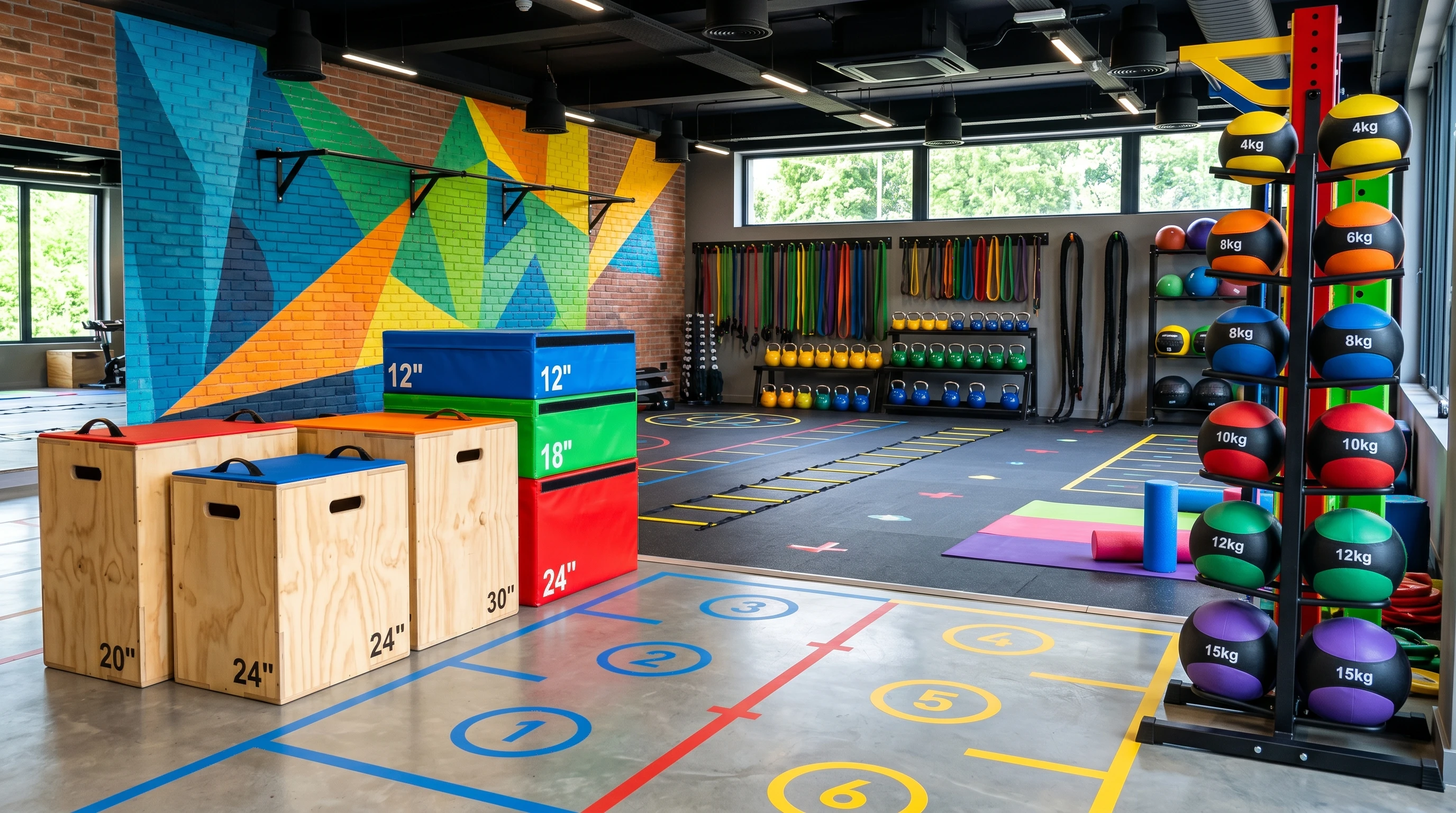
Why Plyometrics Deserve Thoughtful Programming
Plyometrics aren’t just regular workouts. They push your muscles, tendons, and nervous system to deliver quick, forceful contractions with every move. This is awesome for building athletic performance, but stacking intense jumps day after day quickly leads to diminished returns. Mixing up challenge and recovery is how I keep workouts fun and effective. Knowing where these explosive movements fit into your week helps you grow, avoid overuse, and stay injury free—whether you’re an athlete, a weekend warrior, or just hoping to add spark to your cardio days.
The main benefit of plyometrics is their ability to give a boost to power and athletic coordination. But there’s strong evidence that too much intensity with too little recovery raises the risk of strains, fatigue, and even overtraining. That’s why learning the best way to balance these elements matters, even if you’re hungry for fast results.
Get to Know the Basics: Key Plyometric Terms
I get that not everyone is familiar with plyometric lingo, so here are a few basic terms worth learning before jumping in:
- Force absorption: The way your body handles and transfers force when you land on the ground.
- Ground contact time: The time your feet spend on the floor between jumps. Shorter is often better for power.
- Intensity: This usually means how much force or energy each exercise needs (big jumps or hopping on one leg takes more out of you than small hops on both feet).
- Volume: The total number of reps and sets you perform.
- Recovery: The amount of rest between sets or sessions that your muscles need to rebuild and your nervous system needs to reset.
How I Structure a Plyometric Program
Kicking off a new plyometric plan means knowing both your starting point and your goals. My main priorities are:
- Assess Your Base: If you’re new, start with simple moves focused on technique, such as squat jumps, skipping, or line hops. When you’re comfortable, work your way up to tuck jumps, bounding, and box jumps.
- Pick the Right Schedule: I generally add plyometrics two, maybe three days a week, avoiding heavy back-to-back sessions. This keeps muscles feeling fresh and offers plenty of time for full recovery—super important with any high-impact training.
- Select Exercises: I aim for 3–5 moves per session. Great picks are box jumps, split squat jumps, depth jumps, medicine ball slams, and skater hops. Mixing some upper and lower body drills helps keep things balanced.
- Set Reps, Sets, and Rest: I stick to low reps (3–8 per set) and generous rest (about 60–90 seconds between sets) to keep quality high. Plyometrics are about quick power, not grinding until you’re wiped out.
- Progress Slowly: When you get the hang of things, step up the difficulty with higher jumps, less stable surfaces, or single leg variations. Don’t be afraid to go back to easier exercises after a demanding week—it’s all part of making long-term gains.
Balancing Intensity: When to Ramp Up, When to Dial Back
Intensity in plyometric training isn’t just about going full throttle. I use a few different approaches to match each workout with my current strength and recovery needs:
- Monitor Fatigue Levels: If my jumps start to lose quality, I’ll cut the session short. Quality beats quantity every time in plyos.
- Rotate Intensity: High-intensity sessions (like depth jumps or single leg bounds) are spaced out and paired with easier days (think line hops, skipping, or jump rope).
- Listen to Joints: Knees, ankles, and hips take plenty of impact in plyometric work. Any soreness in the joints means it’s time to ease up on intensity or take more recovery.
- Add Soft Surfaces: Sometimes I move my workouts to grass, gym mats, or turf to lessen the impact and keep my joints feeling good.
The ideal training zone is pushing your nervous system just enough to challenge it, but stopping short of total exhaustion. That way, you get consistent progress instead of boom-and-bust cycles.
Recovery: What It Means and How to Nail It
Plyometric recovery isn’t simply lying around after a tough workout. Proper recovery means your body is growing, healing, and actually able to perform better in the next session. Here’s what I keep in mind:
- Rest Between Sets: Longer breaks (often up to 2 minutes) give your muscles and nervous system time to reset, letting you keep your power for every round.
- Rest Days: I never stack two plyometric days. At least one day of regular training or full rest in between lets my muscles rebuild and grow stronger.
- Active Recovery: On off days, I’ll go for light cardio, stretching, or mobility drills to keep the blood flowing and ward off next-day stiffness.
- Sleep and Nutrition: Staying on top of sleep and getting enough protein are huge for recovery—don’t overlook how much these play into better results.
Common Recovery Mistakes
Every athlete makes mistakes with recovery at some point. Here are the ones I notice most often:
- Jumping back in too soon: It’s tempting to do more right after a solid session, but waiting until you’re genuinely recovered pays off in the long run.
- Ignoring soreness: Some muscle tightness is normal, but sharp or nagging pain is a sign to pause—if you’re unsure, skip the session to stay safe.
- Poor sleep and hydration: Skimping on meals or missing sleep can tank your power and slow your recovery more than you might think.
Tips for Sustainable, Long-Term Progress
Plyometrics should become a steady staple in training, not just a short-term phase. Here’s my approach to keeping progress coming without risking injury or losing my drive:
- Cycle Intensity: Swap between high-intensity and recovery weeks based on your goals and how you’re feeling. Your body will thank you for mixing things up.
- Mix in Variety: Try different drills to keep workouts interesting, challenge new muscles, and avoid repetitive strain.
- Track Your Progress: Writing down jump types, reps, and how you felt each session helps track patterns and signals when it’s time for a change.
- Pair With Strength Training: A strong foundation with moves like squats, lunges, and deadlifts makes plyometric work both safer and even more effective.
FAQs: Your Plyometric Program Questions Answered
These are some of the most popular questions I get when helping folks map out a balanced plyometric routine:
Question: How many times per week should I do plyometrics?
Answer: Two to three sessions are plenty for most people, leaving at least a day between plyometric work. More isn’t better—quality means more than just stacking in extra days.
Question: How do I know if my plyometric routine is too intense?
Answer: Watch out for long-lasting soreness, joint discomfort, or any big dip in jump height or quality. If you notice these, it’s time to ease up or give yourself more recovery time.
Question: Can beginners do plyometrics?
Answer: Definitely. If you’re a beginner, stick with basics like line hops and squat jumps, focus on form, and limit sessions to once or twice a week till you’re dialed in.
Question: How should plyometrics fit into a full workout program?
Answer: I recommend adding plyometrics right after your warm-up, before heavy lifting or high-intensity conditioning. This way, you’re fresh and can get the most out of explosive movements. Plyometrics and strength training are a great combo for athletic results.
Wrapping Up Plyometric Program Design
Putting together a plyometric program that helps you get results and keeps injuries at bay boils down to smart planning and listening to your body’s recovery signals. The right balance lets you build real explosiveness and athleticism without crashing. Start slow, progress at your own pace, and check in with yourself regularly—you’ll keep seeing steady, fun results. Keep technique sharp and enjoy the ride as you bounce back stronger each week.