
Picking the right swimwear and gear can make or break your time in the water. Whether I’m swimming laps, heading for a beach day, or gearing up for a water aerobics class, comfort is always at the top of my list. There’s a wide range of swimwear and accessories out there, and I know the choices can get overwhelming. So here’s my take on how to find the right pieces for a smooth, comfortable swimming experience.
Basics of Comfortable Swimwear
The feeling of comfort starts with the basics. Swimwear comes in all sorts of shapes, fabrics, and designs. Knowing what works for you, and your swim plans, helps you stay focused on fun or fitness, not on itchy seams or awkward straps.
Most swimwear is made from synthetic blends like nylon, polyester, and spandex. These fabrics dry quickly and stretch well, but each has its own perks. Polyester is extra durable and resists chlorine, so I usually recommend it for folks spending lots of time in pools. Spandex gives suits their stretch, but too much spandex can wear out fast if you swim daily.
Men’s suits range from trunks to briefs to jammers, while women’s options include onepieces, bikinis, and tankinis. For pool training or laps, I find that streamlined styles like jammers (for men) and racerback onepieces (for women) offer the least drag and stay in place all session long.
- Fit: Look for a close, secure fit that doesn’t pinch or sag. Adjustable straps are a bonus.
- Material: Chlorineresistant fabrics are super useful for regular swimmers.
- Style: Pick a style that makes you feel confident and secure, whether it’s sporty or classic.
Gearing Up: Accessories That Make a Difference
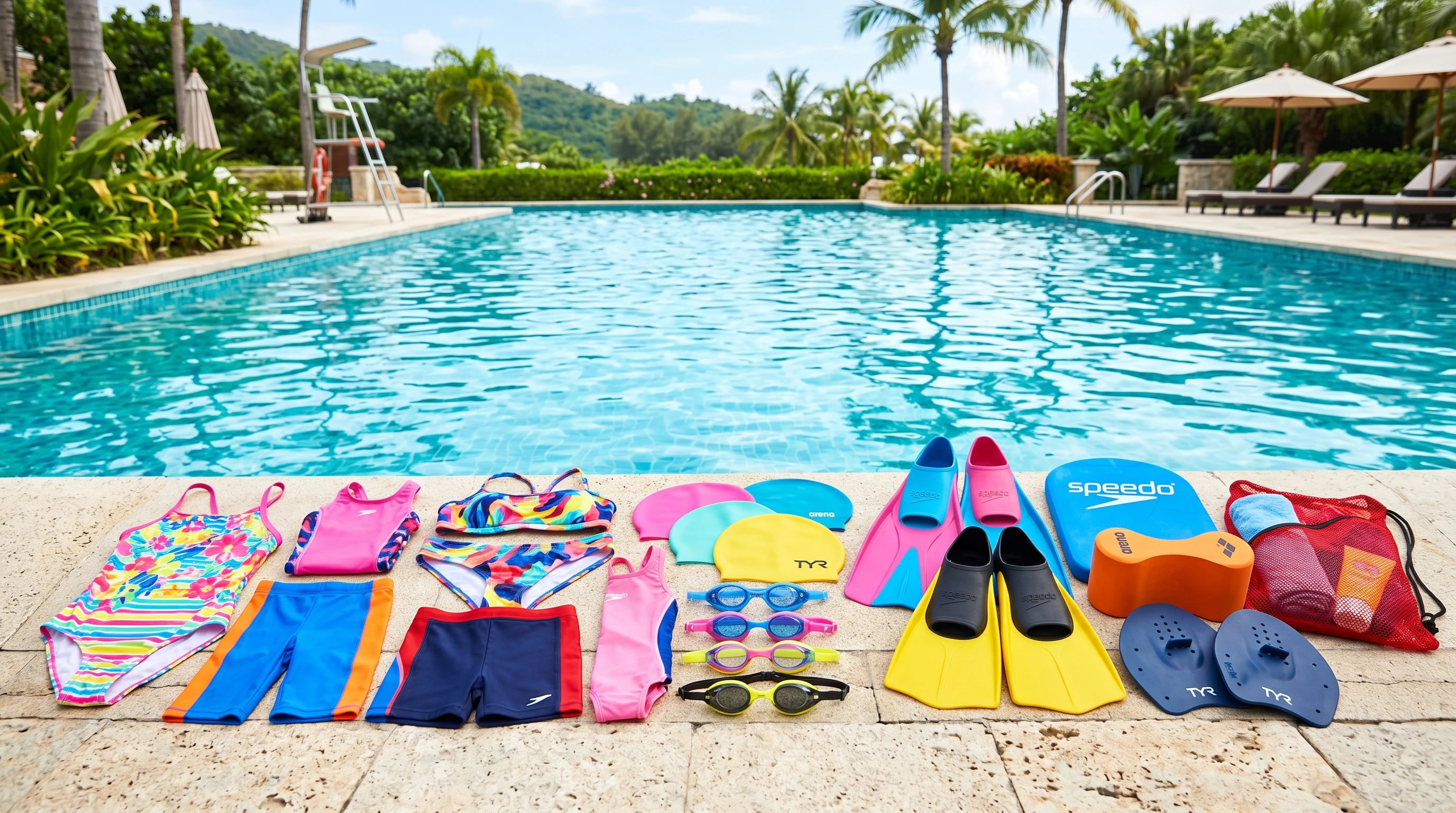
The right accessories can really give your swim a boost. A good pair of goggles means no stinging eyes. Swim caps keep hair in check, and earplugs or nose clips can help if you’re sensitive to water. Every piece has its job, so here are a few worth checking out:
- Goggles: Comfortable goggles with antifog lenses and adjustable straps keep your vision clear, and your energy focused on swimming. For outdoor swimming, get a pair with UV protection or mirrored lenses.
- Swim Cap: Silicone caps feel smooth and stay put, while latex is lighter but can pull at hair. Lycra caps are comfy but let more water in. If you have long hair, go for a cap designed with extra space.
- Training Fins: Swim fins help strengthen your kick and improve speed. They come in different lengths; short fins boost training, long fins are mainly for fun.
- Kickboard and Pull Buoy: These floatation tools help you isolate your kick or arms, building strength and perfecting technique.
- Ear and Nose Protection: Earplugs and nose clips can help you stay comfortable and avoid waterrelated irritation if you’re prone to ear infections or sinus issues.
Get the Right Fit: Shopping Tips
Finding comfortable swimwear can be tricky, especially if you’re shopping online. It really helps to check sizing charts from each brand because sizes can vary quite a bit. Here’s my process:
- Measure yourself using a soft tape, focusing on chest, waist, and hips.
- Compare your numbers with the brand’s size chart, not your regular clothing size.
- Look at reviews for hints on fit; sometimes suits run tight or loose.
- If in doubt, order two sizes and return the one that doesn’t work.
Try on your suit and move around. Reach, bend, and stretch. You want the suit to stay put but it shouldn’t dig in or restrict breathing. For goggles, make sure they seal around your eyes without extra pressure, and adjust the strap to avoid headaches.
Common Challenges and How to Get Around Them
Most swimmers run into a few common issues when it comes to comfort. Here are tips I swear by for solving those annoyances:
- Chafing: Swimwear that’s too loose can shift, causing irritation. Choose snug suits and rinse skin after swimming. If chafing pops up, some people use body glide or thin rash guards.
- Goggle Leaks: Check the seal and adjust the strap. If you’re still getting water inside, try a different shape. Eye sockets vary from person to person.
- Straps Slipping Off: Racerback suits and adjustable straps help keep everything in place, especially in active water.
- Allergies or Sensitive Skin: Opt for hypoallergenic materials and doublecheck that your swimwear is free of latex or dyes. Rinse thoroughly after every swim session.
What About Sun Protection?
If you’re swimming outside, sun protection is super important. Rash guards and swim shirts offer coverage without weighing you down. Go for UPFrated materials and always pair with waterproof sunscreen for exposed skin. It’s an easy way to avoid that uneven sunburn I see all too often at the pool.
Dealing With Different Water Types
Salty ocean water and heavily chlorinated pools can both be rough on swimwear. A quick rinse after swimming can dramatically extend the life of your suit. If you’re in saltwater a lot, pick a fabric designed for the ocean, or have a suit just for beach days that you don’t use at the pool.
Leveling Up Your Swim Game: Advanced Comfort Tips
Once you’ve got the basics figured out, there are a few tweaks that can make longer swims way more enjoyable. Here are my go-tos:
Rotate Your Swimwear: Owning a couple of suits means you don’t have to rush to dry one out between workouts. It’s a simple fix that really helps avoid mildew and stretch marks from overuse.
Padded Swimwear: If you’re hitting open water or cold pools, suits with thin lining or builtin padding keep things comfortable and avoid seethrough mishaps.
Antifog Goggles: For serious training, a drop of antifog solution or even gentle dish soap (rinsed well!) keeps goggles clear. Rubbing inside lenses with your fingers can actually wear down the coating, so use a soft cloth if needed.
Invest In Mesh Bags: A mesh gear bag lets your wet gear air out, stopping moldy smells before they start. Plus, it’s super useful for sorting goggles, caps, and fins so you’re not digging through your backpack before practice.
Consider Supportive Accessories: Sometimes overlooked, wearing water shoes, especially in outdoor or rocky conditions, can keep your feet protected and boost comfort for longer sessions. There are fun aqua socks and slipon options that are just as flexible as bare feet but offer a bit more grip. For those sensitive to bright lights or who swim mid-day, a swimming visor or polarized sunglasses can help you see clearly and relax poolside without squinting.
Practice Proper Hygiene: Use a gentle, nonirritating soap after swimming to avoid skin dryness, especially in chlorinated water. Moisturizing afterward helps lock in comfort and keep your skin smooth daily.
RealWorld Examples: How Gear Impacts Comfort
In my own swimming circles, the difference a good suit makes is immediately obvious. Lap swimmers in poorly fitting briefs or saggy suits spend half their set adjusting fabric or pulling up waistbands. At the other end, a wellfitted suit and properly sealed goggles let you forget about gear and just focus on your strokes or enjoying the water. I’ve seen seasoned swimmers get hooked on soft silicone caps and never go back to latex after trying one out in colder pools.
- Lap Swimmers: Look for chlorineresistant fabrics that hold shape and color. Streamlined fits mean less fuss in the water.
- Beach Enthusiasts: Rash guards add sun and sand protection, and board shorts or tankinis let you move freely without exposure worries.
- Triathletes or Open Water Swimmers: Wetsuits offer buoyancy and warmth. Choose one snug but not restrictive, and try it on before race day.
Frequently Asked Questions About Swimwear Comfort
Question: How can I keep my swimwear from stretching out?
Answer: Always rinse your suit in cool water after swimming and let it air dry away from direct sun. Avoid wringing it out or putting it in the dryer.
Question: What’s the best way to stop goggle fog?
Answer: Buy goggles with an antifog coating. For a quick fix, use antifog drops or a mild soap rinse (never spit inside; trust me, it doesn’t work as well as the old myths say!).
Question: What’s a comfortable suit for plussized swimmers?
Answer: Many brands offer plussized suits with tummy control, bust support, and comfortable coverage. Look for brands with a range of sizes, support panels, and adjustable straps. Reviews from real users help a lot.
Final Thoughts for Maximum Swim Comfort
Choosing the right swimwear and accessories is really important for a good time at the pool or beach. Focus on fabric, fit, and functionality before style, and pick up a few handy accessories for added comfort. With the right pieces, every swim is just a bit more enjoyable, and that’s what keeps me getting in the water, again and again.
If you’re just starting out or you’ve been swimming for years, keep testing what feels best for you. Stay comfortable, swim often, and have fun at the pool or beach all season long!