HIIT workouts have shot up in popularity for a pretty good reason; they’re quick, efficient, and deliver serious results. If the gym routine has started feeling boring, HIIT might be just the kick your fitness plan needs. In this guide, I’m breaking down exactly what HIIT is, why it works, and how you can use it no matter your starting fitness level.
What Is a HIIT Workout?
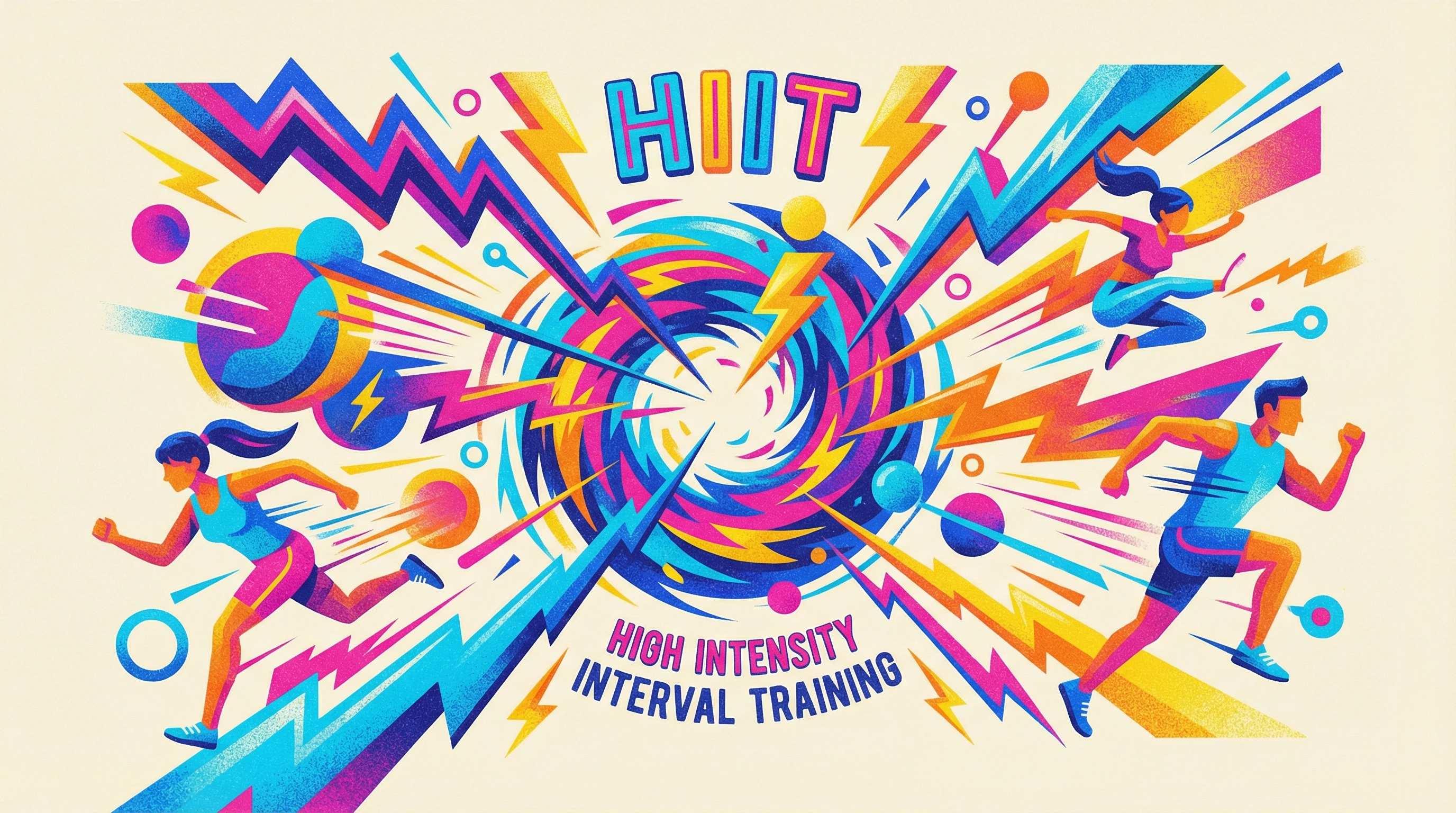
HIIT stands for High Intensity Interval Training. It’s a style of exercise where short bursts of hard work alternate with brief periods of rest or recovery activity. Instead of grinding away for hours, you push yourself pretty hard for a limited time, rest, and then repeat the cycle.
HIIT isn’t just running sprints. You can do HIIT with bodyweight exercises, on a bike, on a rowing machine, or even in a swimming pool. It’s flexible and can be tailored to fit your goals, equipment, and space.
- Work Intervals: These are the times you go all out (think 80–95% of your maximum effort) for 20 seconds to a few minutes.
- Rest or Recovery Intervals: These breaks let you recover, either fully resting or moving at a much slower pace.
One more thing to keep in mind: HIIT routines can be built around many types of movements, from sprinting in place to using kettlebells or resistance bands. That variety keeps things interesting and allows you to experiment.
How HIIT Became So Popular
HIIT is pretty well known these days, but it didn’t just come out of nowhere. The concept has been around for decades; athletes were doing interval training for sports performance long before the rest of us caught on. Studies in the early 2000s started showing that HIIT could improve heart health and fitness just as well as longer steady state workouts, sometimes in less than half the time (source).
What really boosted HIIT’s profile is its time efficiency. Most workouts last 20–30 minutes (sometimes less), so it’s a perfect option for busy schedules. Plus, fitness apps and streaming workouts have made it super easy to do HIIT right at home.
Besides the science, social media and fitness challenges helped get the word out about HIIT. People post their quick, effective HIIT circuits online, which inspires others to join in.
HIIT Workout Benefits
HIIT isn’t only about burning calories (though it’s good at that). There are other pretty useful benefits:
- Burns More Calories in Less Time: Dr. Tabata and other researchers found that your body can burn more calories during and after a HIIT session than steady cardio. HIIT triggers something called the “afterburn effect,” which means you keep burning calories as your body recovers.
- Improves Heart and Lung Health: Regular HIIT boosts your cardiovascular fitness. Some research shows it can even help lower blood pressure and blood sugar in healthy adults and people with certain conditions (Harvard Health).
- Maintains or Builds Muscle: Since HIIT can include strength moves, it helps preserve muscle (or even build some) while you lose fat.
- Time Saver: HIIT fits into a lunch break or before work, making it easier to stick with open schedules.
Another key upside; HIIT routines don’t get boring as easily because you can switch up the movements and intervals each session. I’ve found that HIIT fits well into weeks when everything goes off the rails; schedules get busy, motivation dips, you name it. Just having the option to get a real workout in 20 minutes is a big help.
Getting Started with HIIT
HIIT doesn’t ask for a lot of equipment or fancy gym memberships, which makes it easy for beginners. Here are some basics:
- Pick Your Exercises: Bodyweight movements like squats, pushups, burpees, jumping jacks, high knees, and mountain climbers are all HIIT friendly.
- Set Your Intervals: Start with a simple 1:2 ratio of work to rest (for example, 30 seconds of effort, 60 seconds of rest). As you get fitter, you can shorten the rest or increase the work intervals.
- Warm Up: Always warm up for 5–10 minutes with light cardio and dynamic stretching to avoid injury.
When I started HIIT, timing was tricky. I used free timer apps designed for interval training, but you can also try counting out loud or using the stopwatch on your phone.
Another beginner-friendly tip: You can scale moves down, like elevating pushups or stepping in place for jumping jacks if the regular version is too tough. The most important thing is to move at your own pace and focus on improvement over time.
Simple HIIT Example Workout (No Equipment Needed)
Here’s a straightforward HIIT workout you can do anywhere; no gear required.
- Bodyweight Squats: 30 seconds on, 30 seconds rest
- Pushups: 30 seconds on, 30 seconds rest
- Mountain Climbers: 30 seconds on, 30 seconds rest
- Jumping Jacks: 30 seconds on, 30 seconds rest
Repeat the whole circuit 3–5 times. You can always mix up the moves if you want something different.
Want to add a little variety? Try switching in lunges, plank taps, or even simple shadow boxing punches to freshen up your routine.
What To Watch Out For With HIIT
HIIT is efficient, but it’s intense. That means you’ll want to pay attention to a few things early on:
- Rest and Recovery: HIIT stresses your body. Give yourself time off between sessions (at least 24 hours) to recover properly.
- Focus On Form: When you get tired, your form can get sloppy, and that’s when injuries happen. Quality over quantity every time!
- Don’t Overdo It: Most people see great results with 2–3 HIIT sessions per week. More than that can actually slow your progress because your body isn’t recovering.
How HIIT Fits With Other Workouts
HIIT isn’t meant to replace everything. If you love running, swimming, or yoga, you can mix HIIT into your schedule just once or twice a week. It complements strength training or steady cardio really well. On HIIT days, focus on quality, not just exhaustion.
You may also find that alternating low intensity activities like yoga or stretching between HIIT sessions helps speed up recovery and keep aches and pains at bay.
Common Challenges And Tips for Success
- Listening to Your Body: HIIT feels tough, and it’s supposed to. But sharp pain or dizziness is a sign to stop.
- Staying Consistent: Set a reminder or schedule your HIIT sessions for the week, just like meetings or appointments.
- Tweaking the Structure: If you find the rest periods too short, make them longer. You can always build up as you go.
Also, remember that setbacks happen. You might miss a day or struggle with a session; don’t sweat it. Just show up for the next workout and keep building momentum.
HIIT Variations Worth Checking Out
Most HIIT routines can be modified for fitness level, equipment, or space. Here are a few ways you can change things up:
- Tabata: 20 seconds of all out work followed by 10 seconds of rest, repeated for 4 minutes. Super quick, super tough!
- Low Impact HIIT: Great if you’re new to workouts or need to be gentle on joints. Use step taps, bodyweight exercises, or swimming intervals.
- Cardio Machine HIIT: Rowers, bikes, or treadmills work. Alternate short bursts of hard effort with easy or slow movement.
I sometimes use HIIT on the bike when my knees aren’t up for high impact movements; it’s a good way to get cardio in without stressing my joints.
If you want extra challenge, add resistance bands or weights for more strength work, or try outdoor HIIT with hills for natural variation.
HIIT and Real-World Results
There are a ton of testimonials from athletes, trainers, and everyday people about how HIIT helped them burn fat, gain endurance, or even enjoy workouts again. In my personal experience, HIIT shaved minutes off my 5k time and improved my stamina for other activities. Research keeps backing up these results with studies that show improvements in strength, fitness, and even mood (see more: PubMed).
- Fat Loss: HIIT can help reduce abdominal fat and preserve muscle better than steady state cardio alone.
- Improved VO2 Max: This is a fancy way to say you’ll be able to use oxygen better and feel less tired overall.
- Daily Energy Boost: It’s surprising, but a quick HIIT circuit often leaves you feeling more energized for the rest of the day.
The mental benefits are worth mentioning too; knocking out a challenging session gives a big confidence boost and helps manage stress levels.
Questions People Usually Have About HIIT
Here are some questions you might be asking yourself before jumping into HIIT:
Question: Can beginners do HIIT?
Answer: Absolutely! Start with longer rest periods and don’t be afraid to modify exercises. Listen to your body and you’ll build up over time.
Question: Is HIIT safe for people with heart problems or other conditions?
Answer: It depends on the person. People with medical issues should check in with a healthcare provider before starting something intense like HIIT.
Question: How often should I do HIIT?
Answer: Most people do well with 2–3 HIIT workouts weekly. Give your body a day or two to recover in between sessions.
Key Takeaways for Starting HIIT Workouts
Getting into HIIT is a really smart way to fit intense, effective exercise into a busy lifestyle. You don’t need fancy gear, lots of time, or a huge space; just the willingness to work hard during those short bursts. Focus on good form, choose exercises you like, and tweak your intervals as you progress. HIIT can make workouts feel fresh and get results faster than a lot of other routines out there. With its flexibility and efficiency, HIIT is worth giving a try, whether you’re just starting out or looking to shake up your fitness game.